SOUTH AFRICA: ISTIC Participated in the SRI2026 Africa Regional Conference and Successfully Concluded the Science Diplomacy Workshop for Early- and Mid-Career Researchers
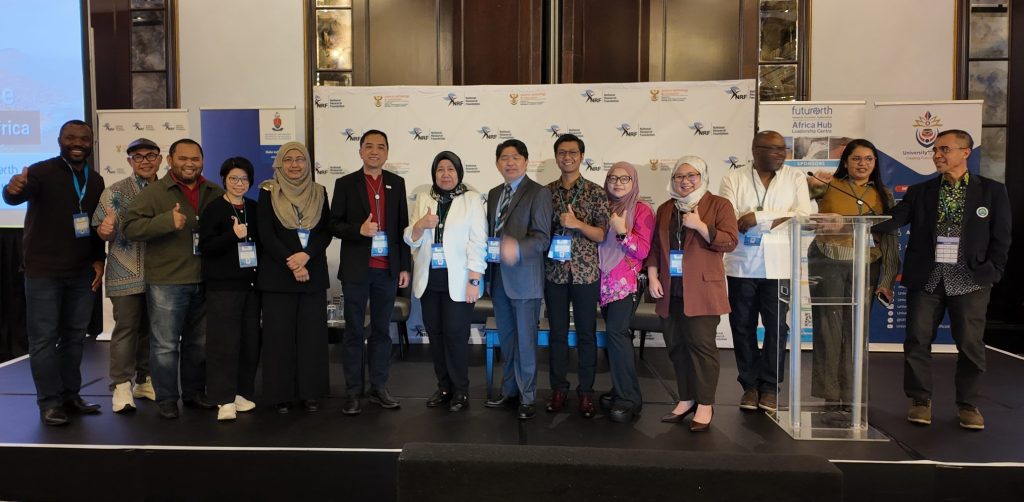
In June, the International Science, Technology and Innovation Center under the auspices of UNESCO (ISTIC) participated in the SRI2026 Africa Regional Conference held in Cape Town, South Africa.
As a partner of the event, ISTIC played an active role by leading parallel sessions, contributing in plenary discussions and organising a dedicated side event focused on science diplomacy capacity-building in line with its strategic thrusts on research ecosystem strengthening and STI policy advocacy and diplomacy.
Co-convened by the National Research Foundation (NRF), Future Earth, the Future Earth Africa Hub, and the Belmont Forum, the Sustainability Research and Innovation Congress (SRI) has been held across five continents since 2021, including Africa, Oceania, Latin America, Europe, and North America. The conference serves as a global platform that brings together leaders from research, government, civil society, and the private sector to co-design innovative solutions for a more sustainable future.
Science Diplomacy Workshop
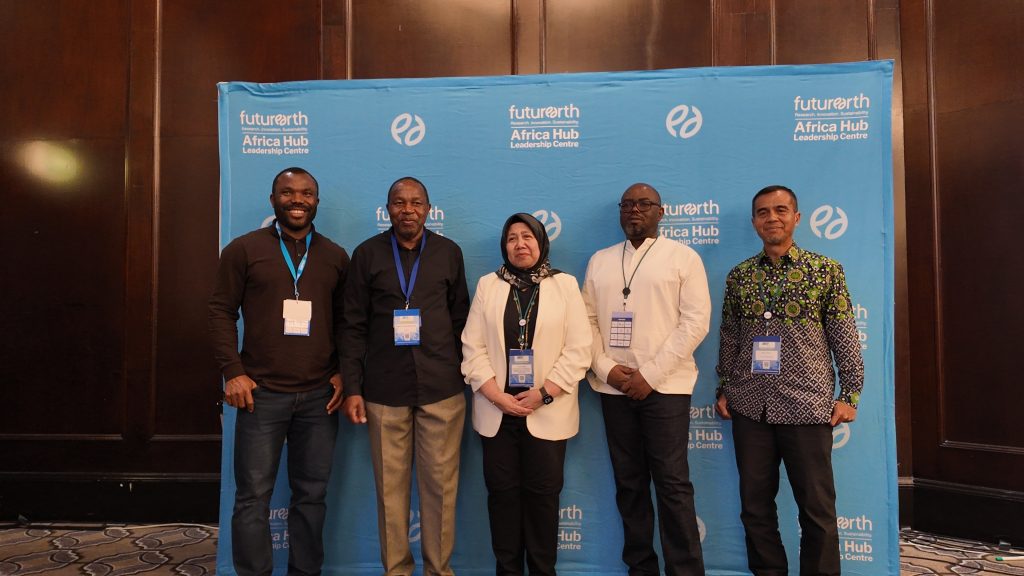
From 21 to 23 June, ISTIC organised and delivered the workshop “Foundations of Science Diplomacy: A Training Programme for Early- and Mid-Career Researchers.” The programme was jointly convened together with the Future Earth Africa Hub and Leadership Centre (FEAHLC), the National Research Foundation of South Africa (NRF), the Centre for Science and Technology of the Non-Aligned and Other Developing Countries (NAM S&T Centre), EPIC-N and the University of Venda.
Designed specifically for early- and mid-career researchers across Africa and the Global South, the training aimed to provide participants with the foundational knowledge, practical skills, and professional networks required to engage effectively in science diplomacy, contribute to evidence-informed policymaking, and strengthen regional and international scientific cooperation.
The programme brought together 24 participants onsite and 10 online, representing 16 countries, including Malaysia, South Africa, Nigeria, Uganda, Ethiopia, Cameroon, Benin, Malawi, Mozambique, Rwanda, Namibia, Botswana, Egypt, Kenya, Zambia, and Zimbabwe.
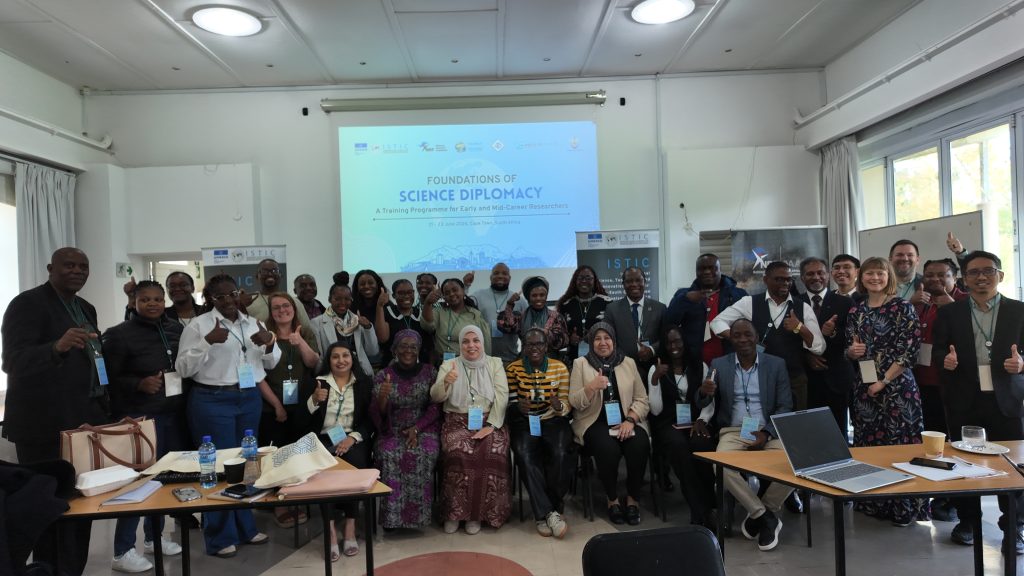
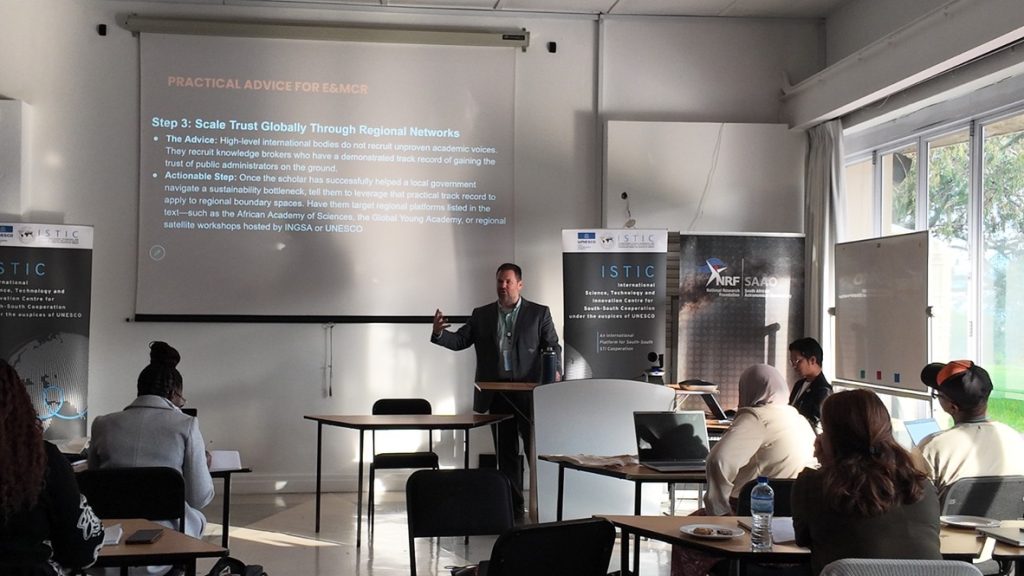
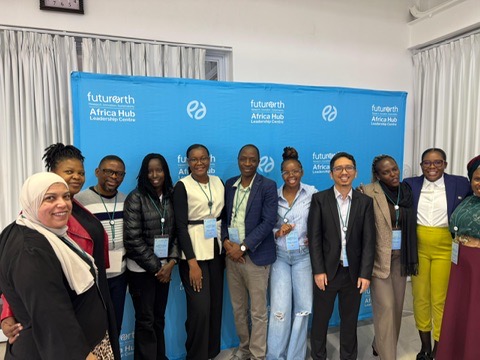
The workshop adopted a participant-centred and practice-oriented learning approach, moving beyond traditional lecture-based methods. By combining conceptual understanding with hands-on exercises, the training enabled participants to deepen their understanding of science diplomacy while developing the practical competencies needed to operate effectively at the science–policy interface. The programme was structured around three core themes:
- Understanding Science Diplomacy: Concepts, Contexts and Actors
- Practising Science Diplomacy: Skills and Negotiation
- Pathways and Leadership in Science Diplomacy
A strong emphasis was also placed on peer-to-peer learning across Africa and the wider Global South, providing participants with opportunities to exchange experiences, discuss policy challenges, and explore diverse approaches to science diplomacy within different national contexts.
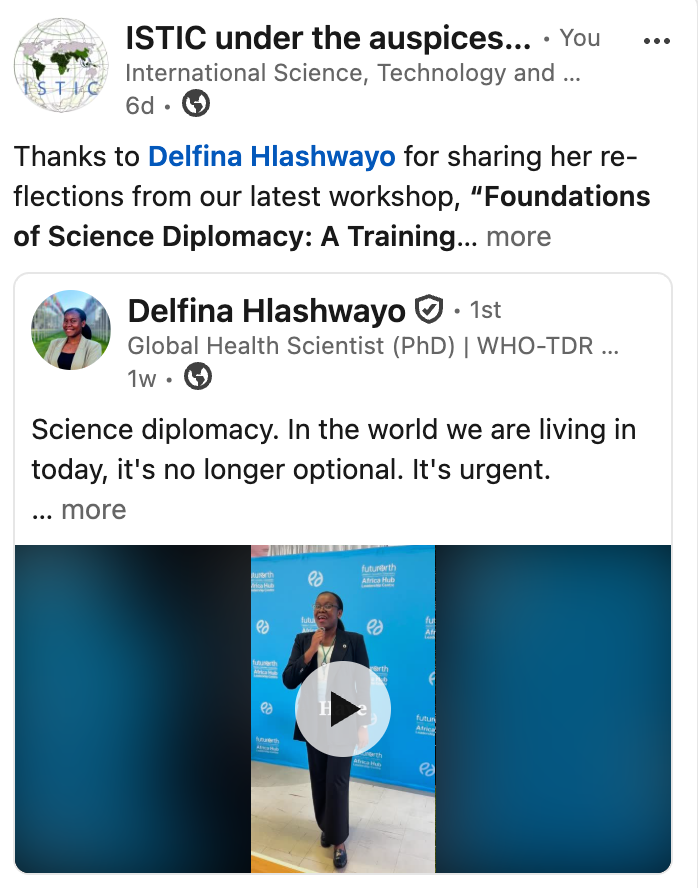
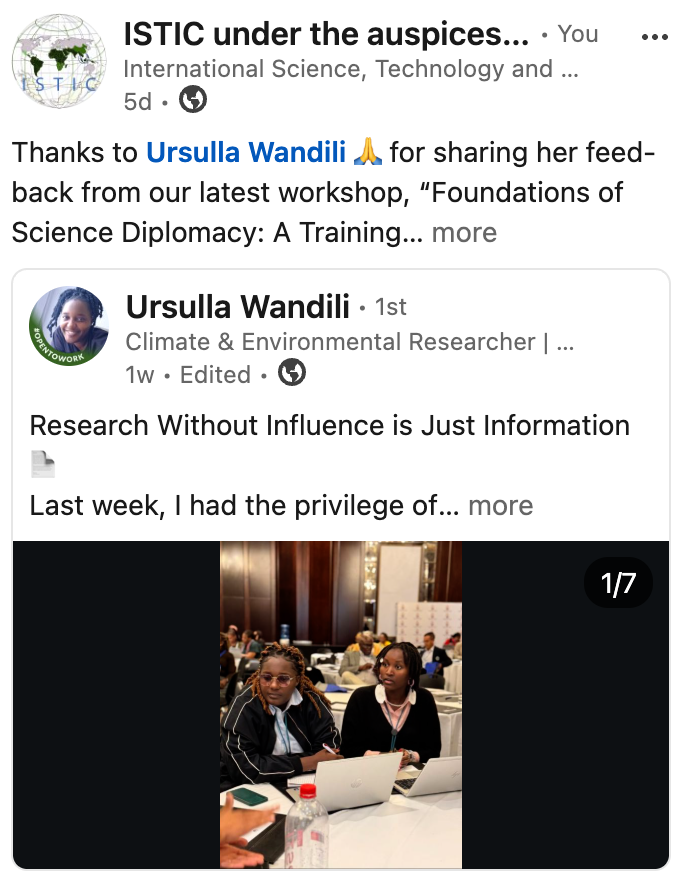
Hear from our participants !
Plenary and Parallel Sessions
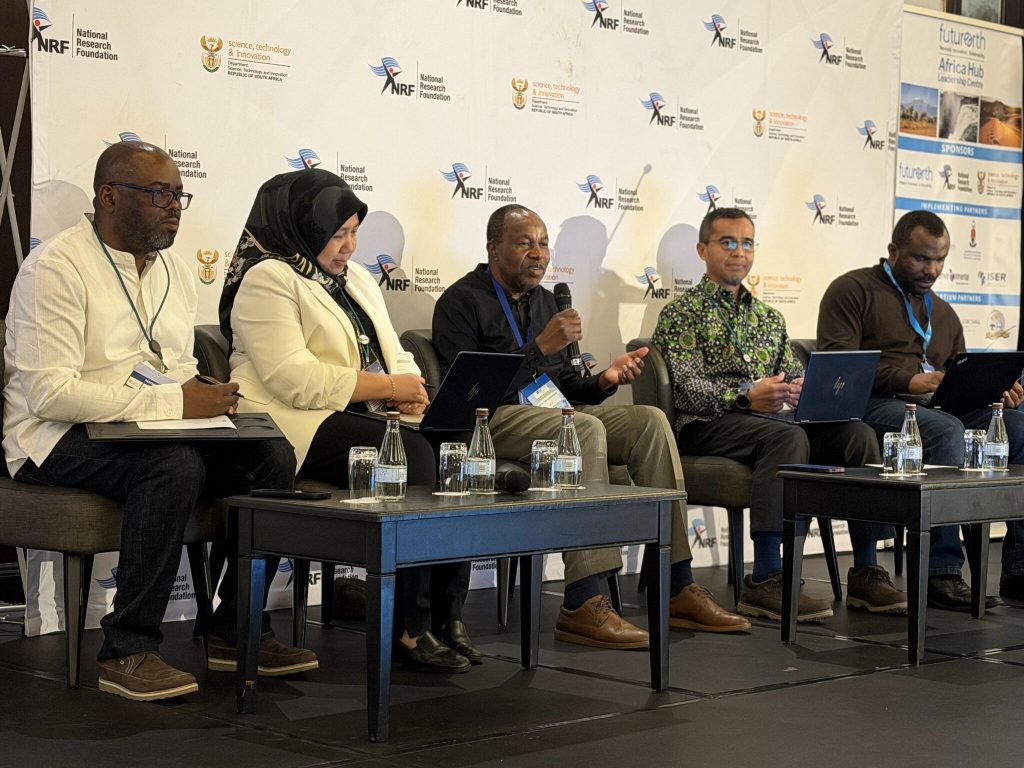
In addition to the workshop, ISTIC facilitated two parallel sessions and a plenary discussion during the conference. Prof. Amal Amin, Professor of Nanotechnology and Polymer Technology at the National Research Centre and member of ISTIC’s Science, Technology and Innovation Advisory Committee (STIAC), along with Prof. Mohd Basyaruddin Abdul Rahman, Chair of the ISTIC Governing Board and Director Sharizad Dahlan served as speakers and represented ISTIC.
The first session held the 24th of June, “Strengthening Science–Policy Interfaces through South–South Cooperation for Sustainability Transformation,” examined how stronger science–policy interfaces can accelerate sustainability transitions through the improved use of scientific evidence, strategic intelligence, and science, technology and innovation (STI) policy analysis in decision-making processes.
The second session held the 25th ofJune “Advancing Global South Research Collaboration for Impact,” explored pathways for strengthening research collaboration across the Global South to generate greater societal and policy impact. Discussions highlighted the AFRASIA initiative, an emerging cooperation framework connecting Asia and Africa to foster deeper scientific collaboration and knowledge exchange.
The plenary session held on 26 June, “Bridging Africa’s Regional Strengths: A Showcase of Collaborative Innovation,” highlighted successful examples of regional cooperation and innovation across Africa, showcasing how collaborative approaches can address shared development challenges and advance sustainable growth. Discussions emphasized the importance of strengthening partnerships among research institutions, policymakers, and innovation actors, while fostering knowledge exchange and cross-regional collaboration to maximize the impact of science, technology and innovation initiatives across the continent and beyond.