
Research Ecosystems
At ISTIC, we believe that a thriving research ecosystem is the foundation for innovation and sustainable development in the Global South.
Our flagship programme is dedicated to strengthening the pillars of this ecosystem– nurturing talent, fostering transdisciplinary collaboration, enhancing institutional capacity, and connecting researchers across borders.
By bringing together policymakers, universities, research institutions, and communities, ISTIC helps to bridge gaps in resources and knowledge, while promoting equitable partnerships that accelerate discovery and application.
This programme not only empowers scientists to generate solutions for local and global challenges, but also ensures that research outcomes are translated into real impact for societies. In building resilient research ecosystems, ISTIC aspires to transform knowledge into shared progress, where the South shapes the global future with purpose and impact.
In Research Ecosystem, ISTIC is leading three major initiatives :
1. AFRASIA: Research and Innovation Initiative
2. GSRUA: Global South Research University Alliance
3. Enhancing South–South Cooperation for Sustainable Development: Joint Capacity Strengthening Programme for Africa Region (North, South, East, West)
I-AFRASIA
The AFRASIA Initiative is a six-year, multi-country South–South cooperation programme connecting Asia and Africa in science, technology, and innovation (STI).
Founded by South Africa, Malaysia, Indonesia, and Tanzania, it aims to become a leading platform for mission-oriented research, co-funded innovation programmes, knowledge exchange, and evidence-based policy engagement between the two regions.
VISION
To build an enduring Asia–Africa alliance that mobilizes science, technology, and innovation as drivers of inclusive, sustainable, and resilient development across the Global South.
MISSION
To establish a co-funded, co-implemented STI platform that transforms shared challenges into joint opportunities for innovation, capacity building, and policy leadership.
Programme’s Objectives
Facilitate joint research and innovation addressing transboundary challenges in water security, renewable energy, and health.
Strengthen human capital and institutional capacity through mobility, training, and mentorship.
Institutionalize co-funding mechanisms and open-science practices that sustain long-term collaboration.
Translate research into policy and societal impact, ensuring science informs decisions.
Create a Community of Practice linking scientists, practitioners, and policymakers across both continents.
Main Coordinators and Partners
ISTIC under the auspices of UNESCO
The International Science, Technology and Innovation Centre for South-South Cooperation (ISTIC), a center under the auspices of UNESCO, acts as an international platform offering sustainable programmes and services and augmenting sustainable development for South-South Cooperation.
National Research Foundation of South Africa (NRF)
NRF South Africa is the country’s primary public agency for funding and advancing research and innovation. It supports excellence in STI by investing in human capacity development, world-class research infrastructure, and strategic knowledge production. NRF plays a central role in strengthening South Africa’s research ecosystem and promoting international scientific collaboration.
The AFRASIA project will also collaborate with regional and international partners from Malaysia, South-Africa, Indonesia and Tanzania, including : -Malaysia Science Endowment (MSE)-The indonesian Ministry of Higher Education, Science and Technology (MOHEST)
-Tazanian Commission for Science and Technology (COSTECH)-Negeri Malang (UM)
-Future Earth Africa Hub
Programmes delivered
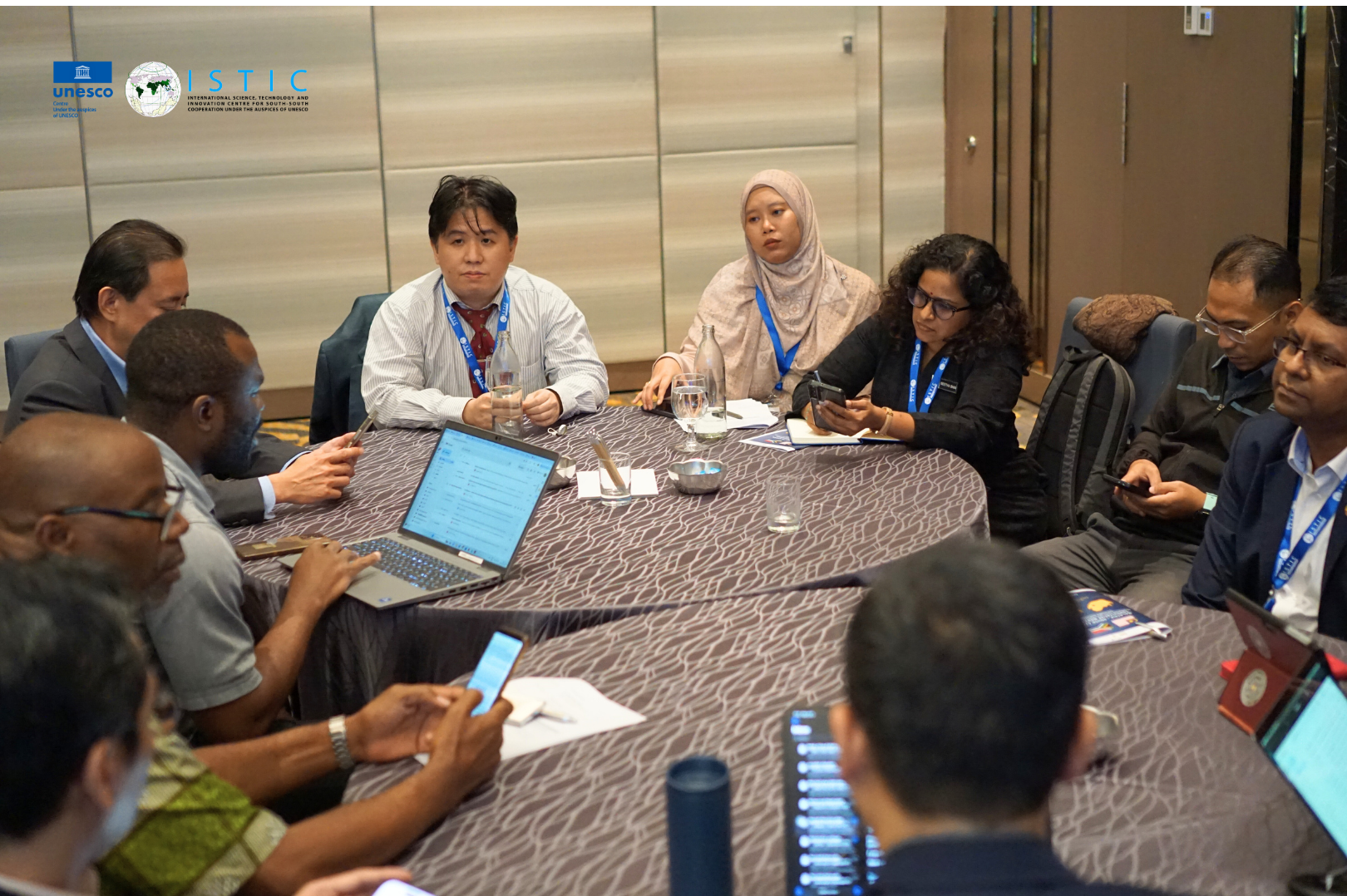
Technical Visit of South Africa Delegations & Regional STI Engagement in Malaysia and Indonesia
4–22 July 2025
MALAYSIA, INODONESIA
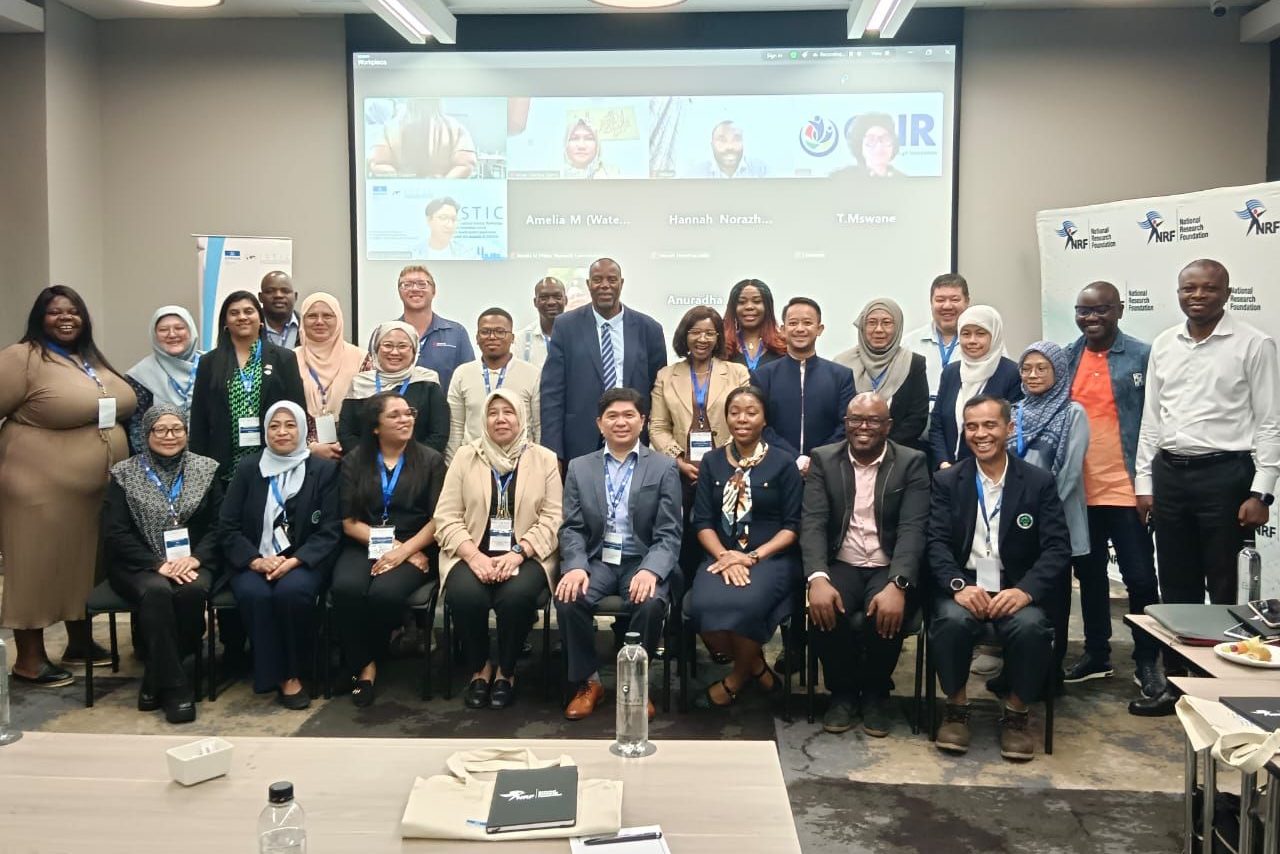
Consultative Meeting and Concept Co-Creation Workshop
24 November 2025
Pretoria, SOUTH-AFRICA
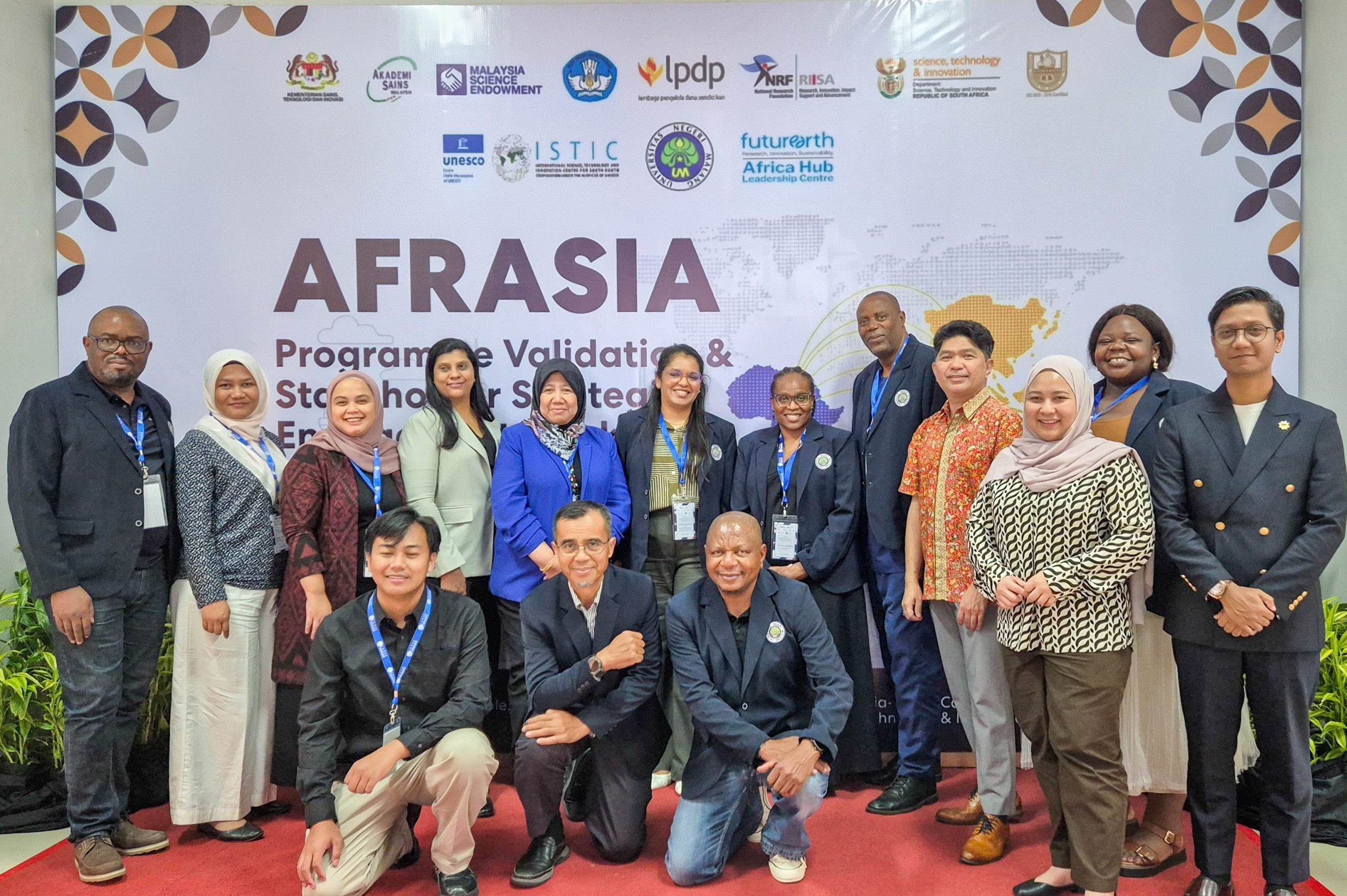
AFRASIA
Programme Validation and
Stakeholder Strategic
Engagement Workshop
6 – 8 May 2026
Malang, INDONESIA
II- GRSUA
The Global South Research Universities Alliance (GSRUA) is an emerging collaborative network that brings together research-intensive universities across what’s commonly referred to as the “Global South”, regions in Latin America, Africa and Asia.
Programme’s Objectives
Enhance Research Collaboration
Foster joint research initiatives addressing climate adaptation, health systems, food security, and digital governance across continents.
Build Institutional Capacity
Support postgraduate training, faculty exchanges, and shared research infrastructure to strengthen member institutions.
Enable Resource Sharing
Create interoperable digital infrastructure and regional centres of excellence for seamless knowledge exchange.
Amplify Global South Voice
Enhance collective visibility and influence of Global South universities in international policy and knowledge governance.
Existing alliances such as the African Research Universities Alliance (ARUA), ASEAN University Network (AUN), and Latin American Council of Social Sciences (CLACSO) have demonstrated the benefits of regional collaboration in advancing research excellence, capacity building, and policy engagement.
However, a comprehensive alliance that unites research institutions across different regions of the Global South is still lacking.
The proposed Global South Research University Alliance (GSRUA) seeks to address this gap by leveraging the philosophy of South-South Cooperation, which emphasizes mutual collaboration, shared resources, and collective problem-solving.
III- Enhancing South–South Cooperation for Sustainable Development: Joint Capacity Strengthening Programme for Africa Region (North, South, East, West)
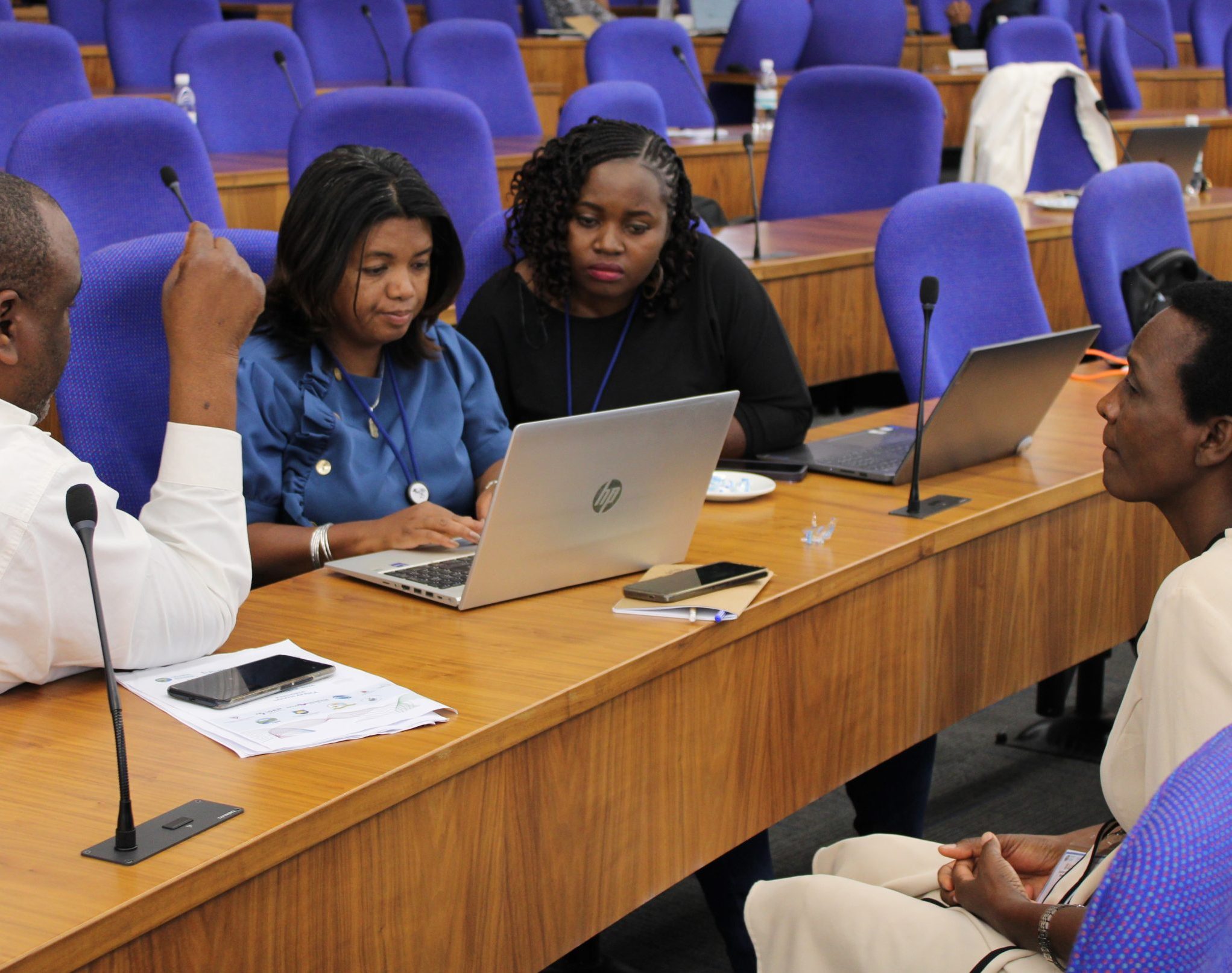
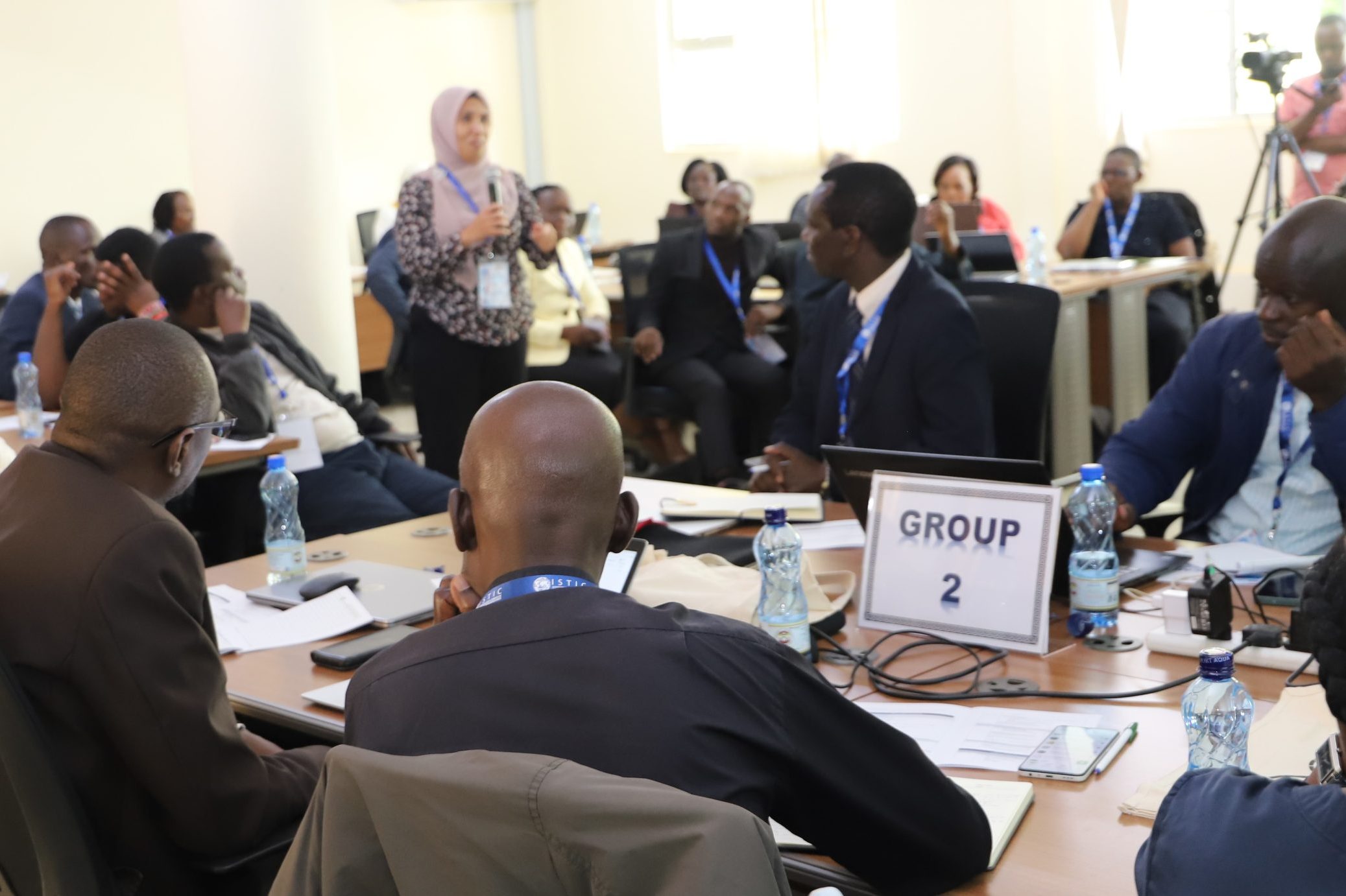
This programme aims to strengthen research capacity in the Global South, where limited access to funding and complex grant processes often hinder scientific contribution and innovation.
Through specialized workshops in research networking and grant proposal writing, early- to mid-career researchers gain practical skills to develop competitive proposals and better navigate funding opportunities.
Led by a consortium of African and international institutions, the initiative fosters collaboration, supports transdisciplinary research, and promotes a culture of excellence and sustainable scientific development.
Programmes delivered
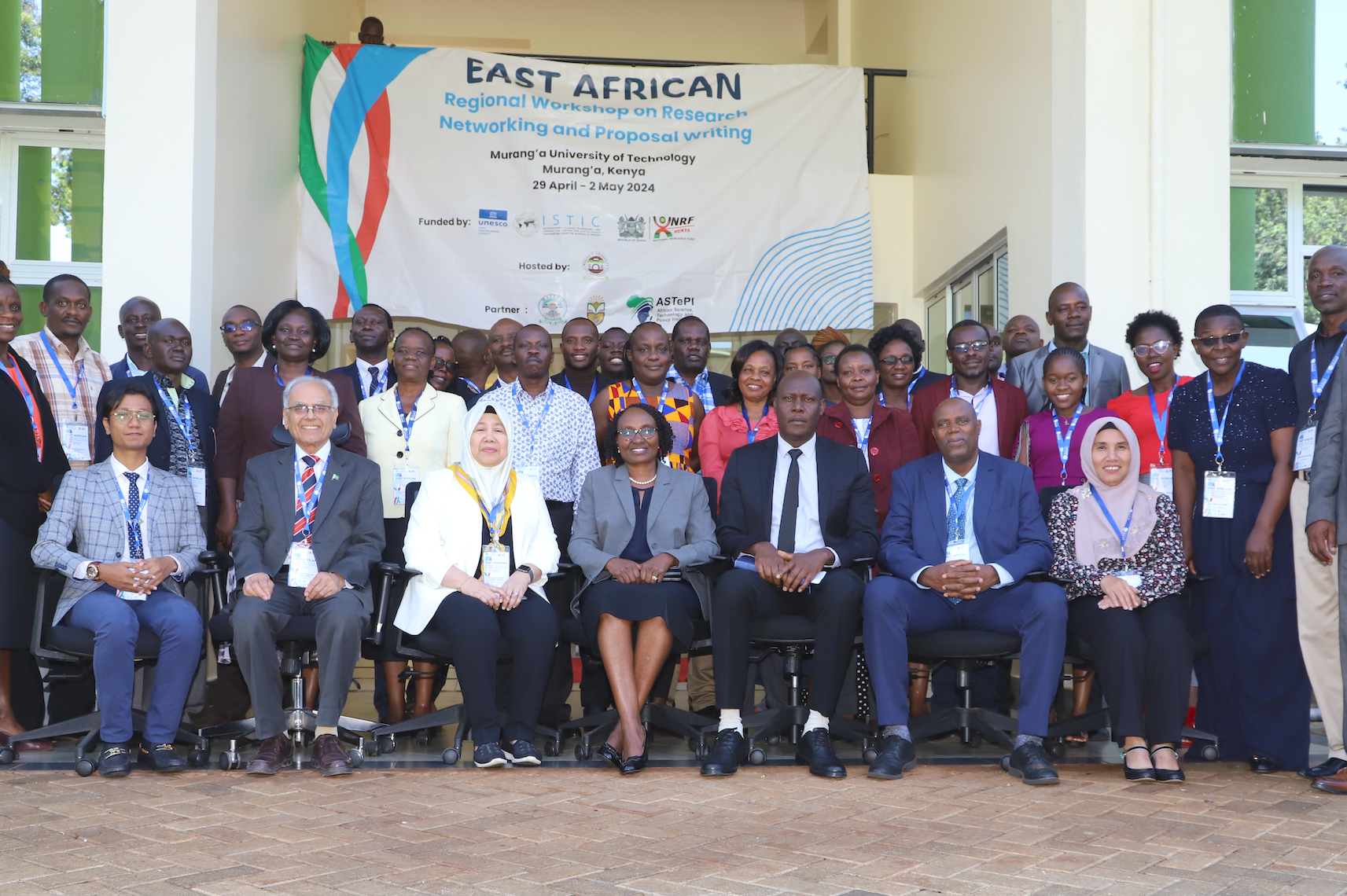
East Africa Regional Workshop on Research Networking and Proposal Writing
University of Technology, Murang’a, Kenya 29 April – 2 May 2024
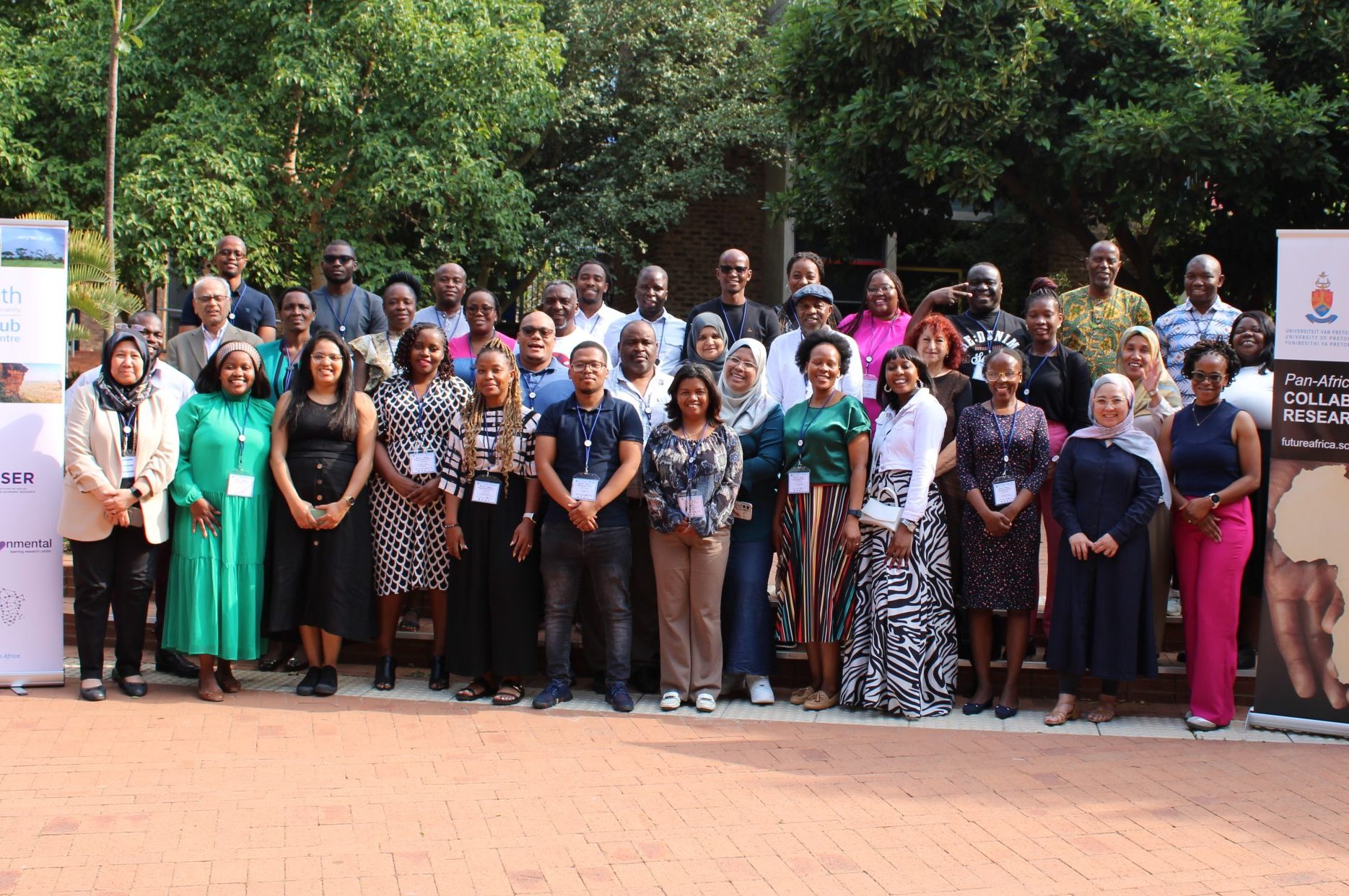
South Africa Regional Workshop for Mastering Research Proposal
Pretoria, South Africa, 14-17 Octobre 2024
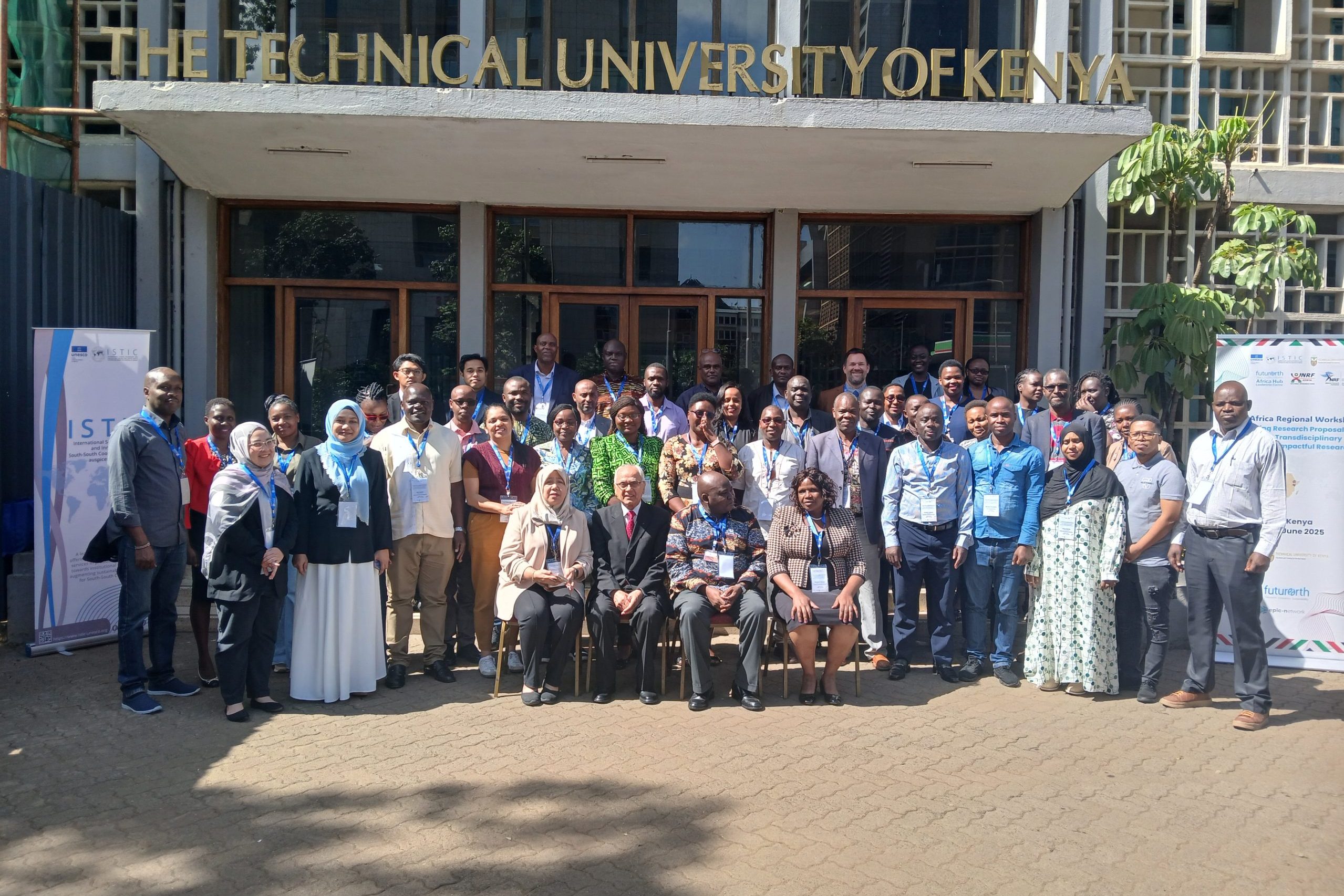
2nd East Africa Regional Workshop for Mastering Research Proposal
Kenya, 31 May – 3 June 2025
ISTIC’s Experts
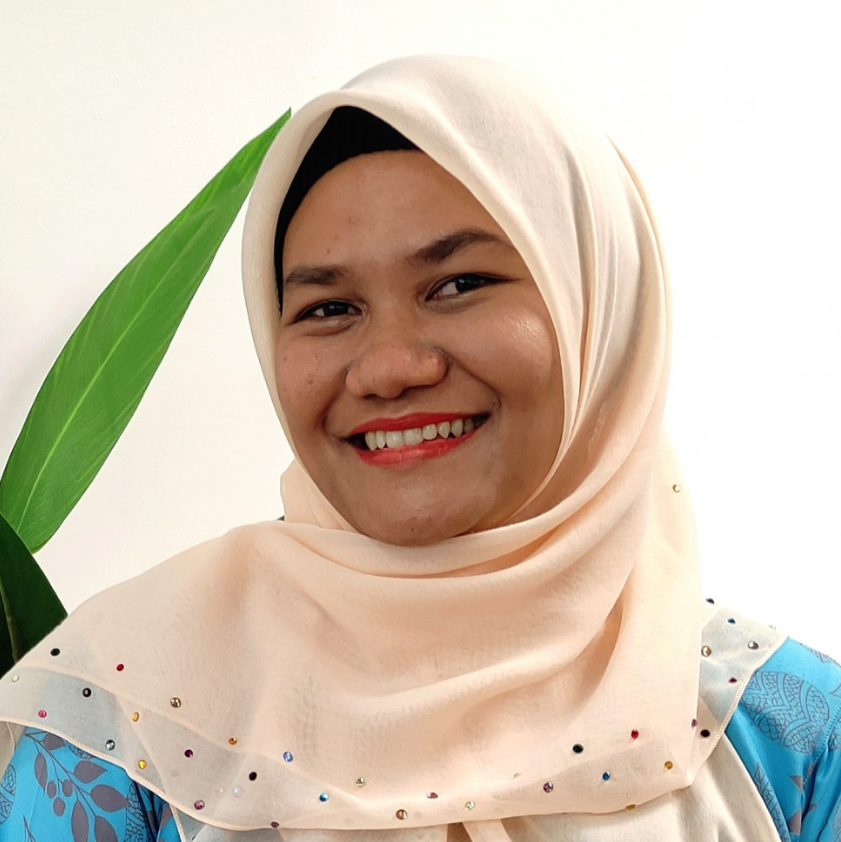
Dr Intan Sazrina Saimy
Senior Lecturer, Perdana Centre, Universiti Teknologi Malaysia
Dr Intan is a Senior Lecturer at Universiti Teknologi Malaysia. She has garnered hands on experience by having to work for several years in the industry before becoming an academician. She concentrates on the sustainability of governance on environment especially water, urbanisation and health in the country. Dr Intan loves to work with the communities especially youth, intending to promote better health and resilience together within a good environment. She has received several national and international grants including Transboundary River grant by UNESCO and leaders programme by JENESYS. She is still learning and try to be involved in many STI research and initiatives.
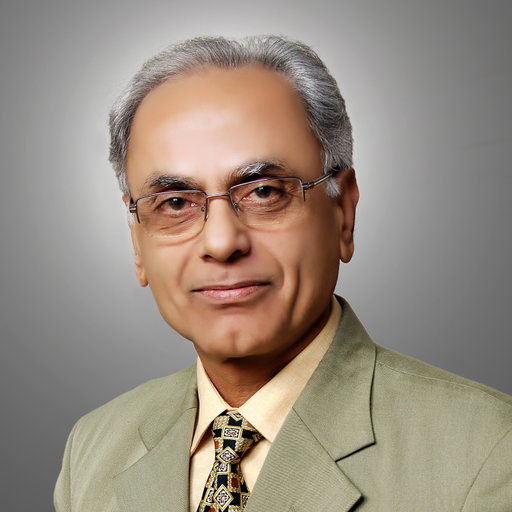
Prof. Dr Manzoor H. Soomro
Immediate past President of the ECO Science Foundation (ECOSF)
Manzoor Hussain Soomro is a distinguished Pakistani scientist with over 30 years of experience in research, education, and science management. He previously served as President of the ECO Science Foundation and has held key leadership roles in major national scientific institutions, including the Pakistan Science Foundation and the Pakistan Museum of Natural History. His career spans academia, international organizations such as the FAO, and initiatives in science education, notably promoting inquiry-based learning (IBSE/La main à la pâte) in Pakistan and across the ECO region. He is also an active member of several international scientific networks and advisory bodies. He is part of ISTIC’s Governing Board Member.

Assoc Prof Dr Nor Ashikin Mohd Yusof
Assosiate Professor at Universiti Teknologi Malaysia
Dr. Nor Ashikin Mohamed Yusof started her professional career as an Advocates and Solicitor before joining the academic world. Dr Nor Ashikin currently serves at Perdana Centre of Science, Technology and Innovation Policy, and one of the very few academicians specializing in policy making, policy instruments, analysis, and implementation. With her legal background, Dr Nor Ashikin always emphasis on the important roles and functions of law and various legal documents and instruments in supporting and ensuring the functionality and workability of the policy documents in questions. Dr Nor Ashikin teaches STIP and law, intellectual property, biotechnology and industrial needs, and STI Policy in international trade. Dr Nor Ashikin has received several international grants on intellectual property (Japan Intellectual Property Office- Japan Ministry of International Trade), intellectual property-biotechnology law (World Trade Organization- World Intellectual Property Organization), policy framework for smart grid (United Nation Industrial Development Organization), foresight for policy development (KISTEP) and Dual Use Items (CRDF Global of United States of America). Locally, Dr Nor Ashikin has successfully led and developed new national policy documents or evaluated existing policy documents for the government and its Ministries.