Strengthening International Cooperation: The Partnership Between UM and ISTIC
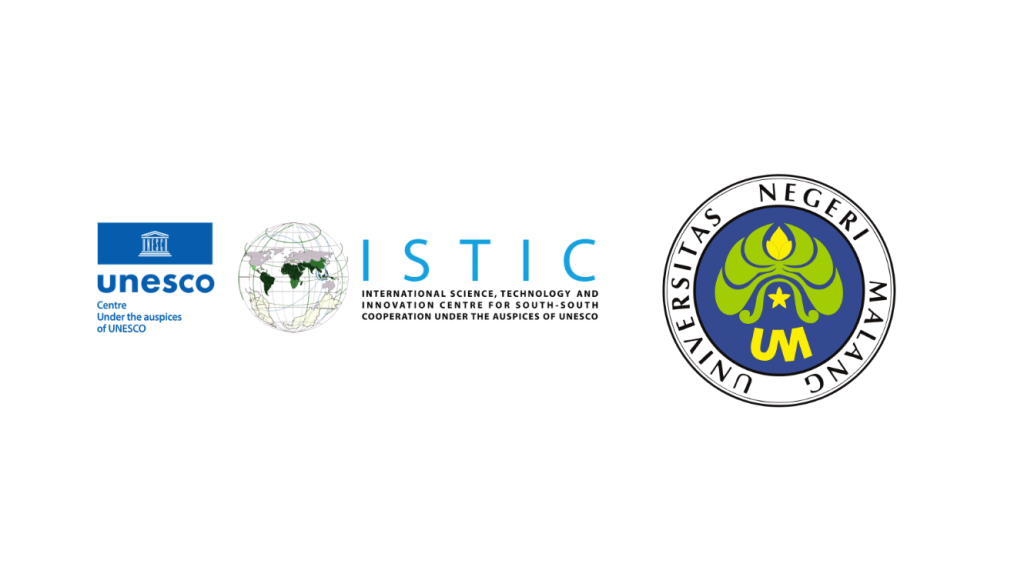
The collaboration between the International Science, Technology and Innovation Center for South-South Cooperation under the auspices of UNESCO (ISTIC) and the Universitas Negeri Malang (UM) was further strengthened during the AFRASIA Programme Validation and Stakeholder Strategic Engagement Workshop (6–8 May 2026, Malang, Indonesia), marking continued institutional trust and shared vision.
A Partnership Built Over Time
What initially began as early strategic engagements between ISTIC and UM gradually developed into deeper interactions. Over time, this relationship evolved into structured collaboration, including joint initiatives, academic exchanges, and coordinated efforts in research and capacity building. This steady progression reflects the commitment of both UM and ISTIC to fostering long-term institutional ties grounded in mutual benefit and academic excellence.
A Milestone: The Signing of the MoU
A significant milestone in this partnership was achieved on 18 February 2025, with the signing of a Memorandum of Understanding (MoU) between Universitas Negeri Malang and ISTIC.
This agreement formalized and strengthened the collaboration framework, providing a solid institutional foundation for future joint activities. It also reaffirmed the shared commitment of both institutions to advancing science, technology, innovation, and sustainable development through international cooperation.
From Collaboration to a Regional Hub
Now, this partnership has evolved beyond bilateral cooperation into a strategic institutional collaboration hub hosted at UM. This hub serves as a platform connecting researchers, universities, and innovation ecosystems across the Global South.
Its focus extends to key global priorities, including:
- Strengthening Global South cooperation
- Advancing climate change education
- Promoting research grounded in local wisdom with global relevance
- Supporting innovation ecosystems and interdisciplinary collaboration
Through these efforts, the partnership contributes not only to academic advancement but also to impactful solutions addressing pressing global and regional challenges.