INDONESIA : ISTIC and NRF concluded the AFRASIA Programme Validation and Stakeholder Strategic Engagement Workshop
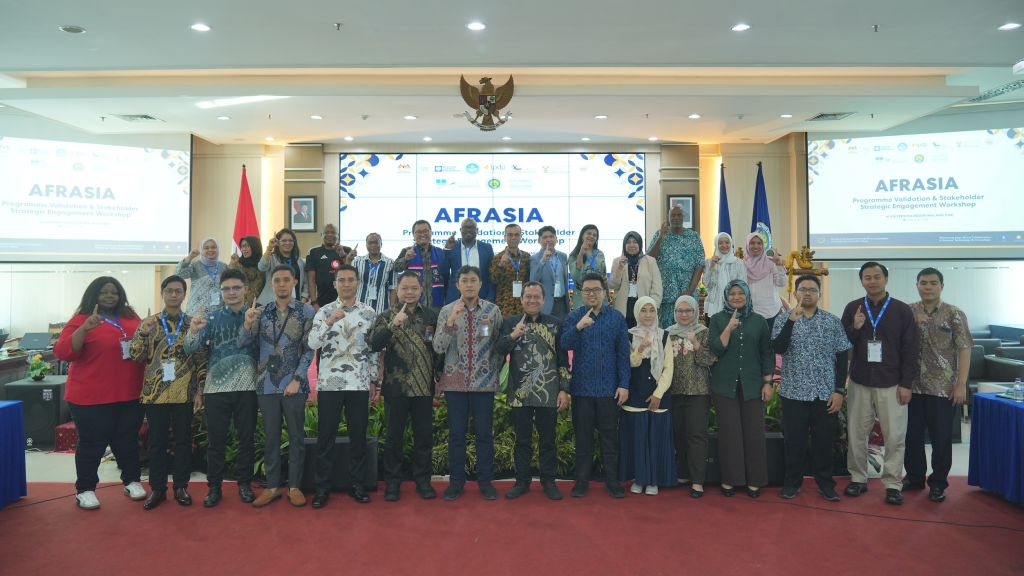
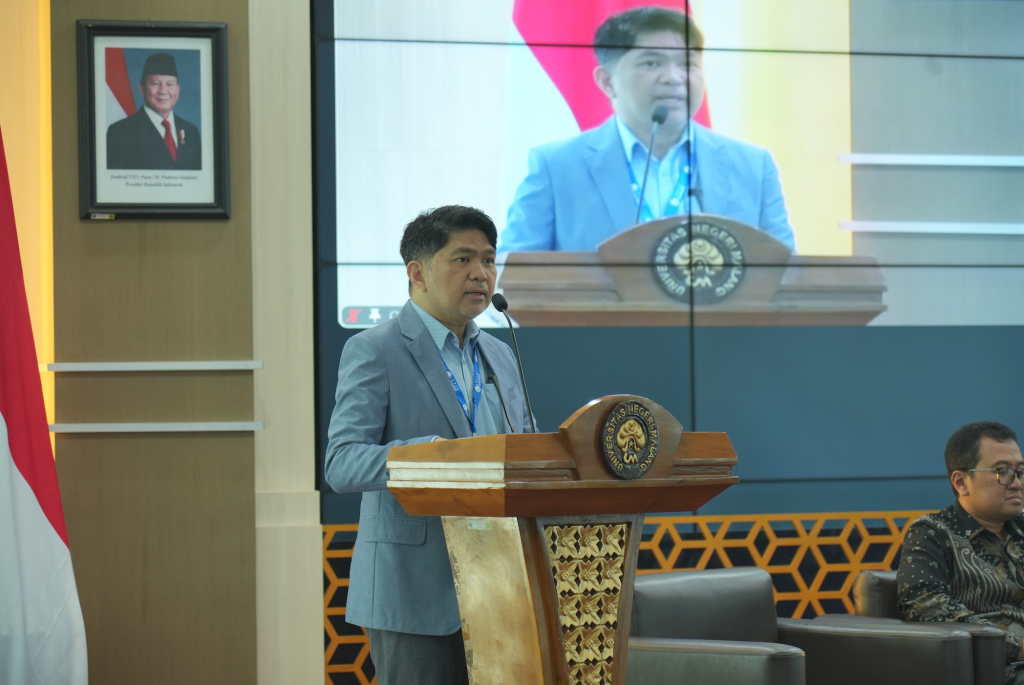
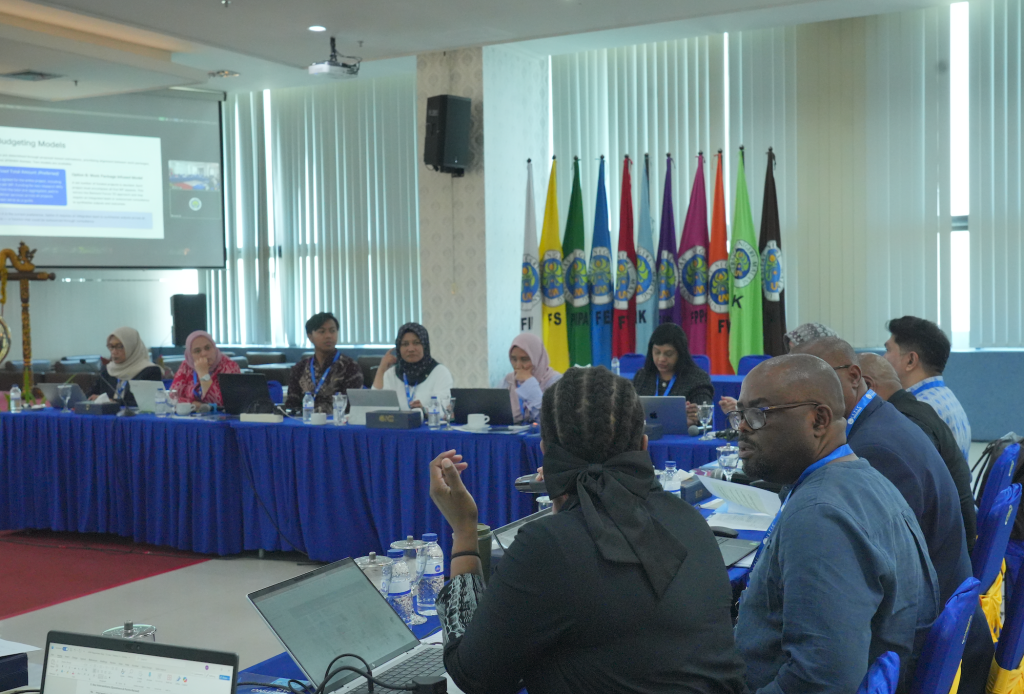
The International Science, Technology and Innovation Centre for South-South Cooperation (ISTIC), in collaboration with the National Research Foundation (NRF) South Africa successfully convened the “AFRASIA Programme Validation and Stakeholder Strategic Engagement Workshop” from 6 to 8 May 2026 at Universitas Negeri Malang in Indonesia.
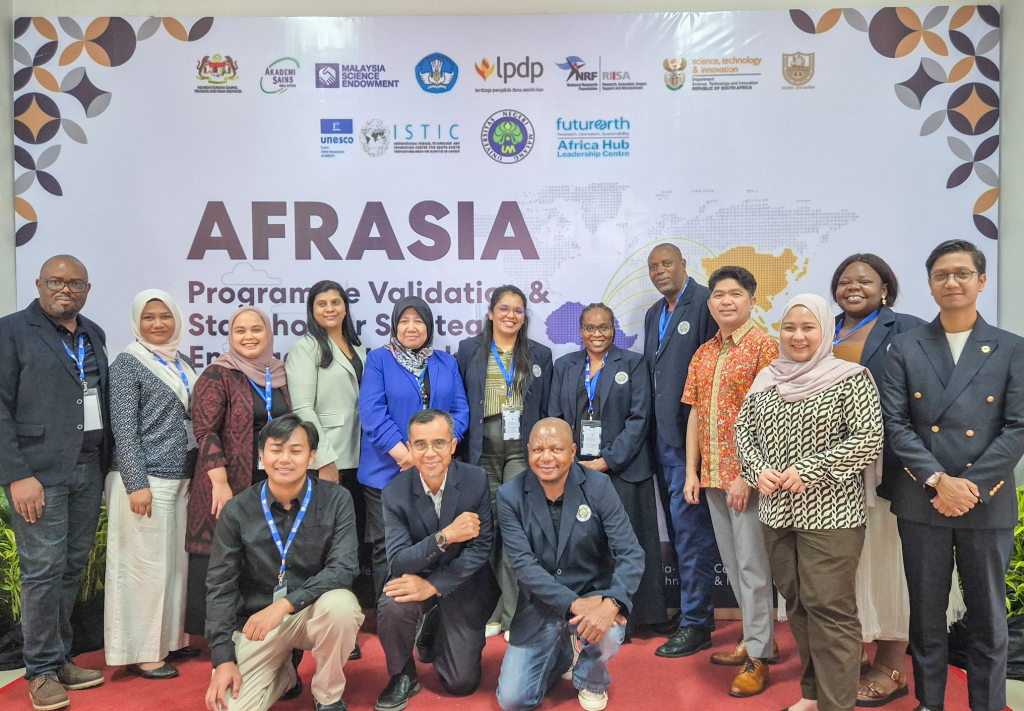
The workshop brought together representatives from key partner institutions, including the Ministry of Higher Education, Science and Technology (MOHEST) of Indonesia, Future Earth Africa Hub Leadership Centre (FEAHLC), Academy of Sciences Malaysia (ASM) – Malaysia Science Endowment (MSE), the University of Technology Malaysia (UTM), Univeristas Negeri Malang, University of Pretoria and the Tanzania Commission for Science and Technology (COSTECH) to finalize the AFRASIA programme framework ahead of its official launch.
A structured initiative for Asia-Africa Cooperation
The Asia–Africa South–South Collaborative Research Programme (AFRASIA) is a multi-country initiative aimed at strengthening collaboration in science, technology, and innovation across Asia and Africa, supported by founding institutions from South Africa, Malaysia, Indonesia, and Tanzania. The programme addresses shared development challenges, particularly in water security, renewable energy and just transition, and Planetary health. These areas continue to face limitations due to fragmented research efforts, uneven institutional capacity, and insufficient translation of scientific knowledge into policy and practice.
Developed through consultations and institutional engagements since 2022, the programme has progressively defined its vision, governance, funding model, and implementation approach. The 3-days workshop marked an important stage of this process by validating the programme’s framework ahead of its launch.
A decisive step towards implementation
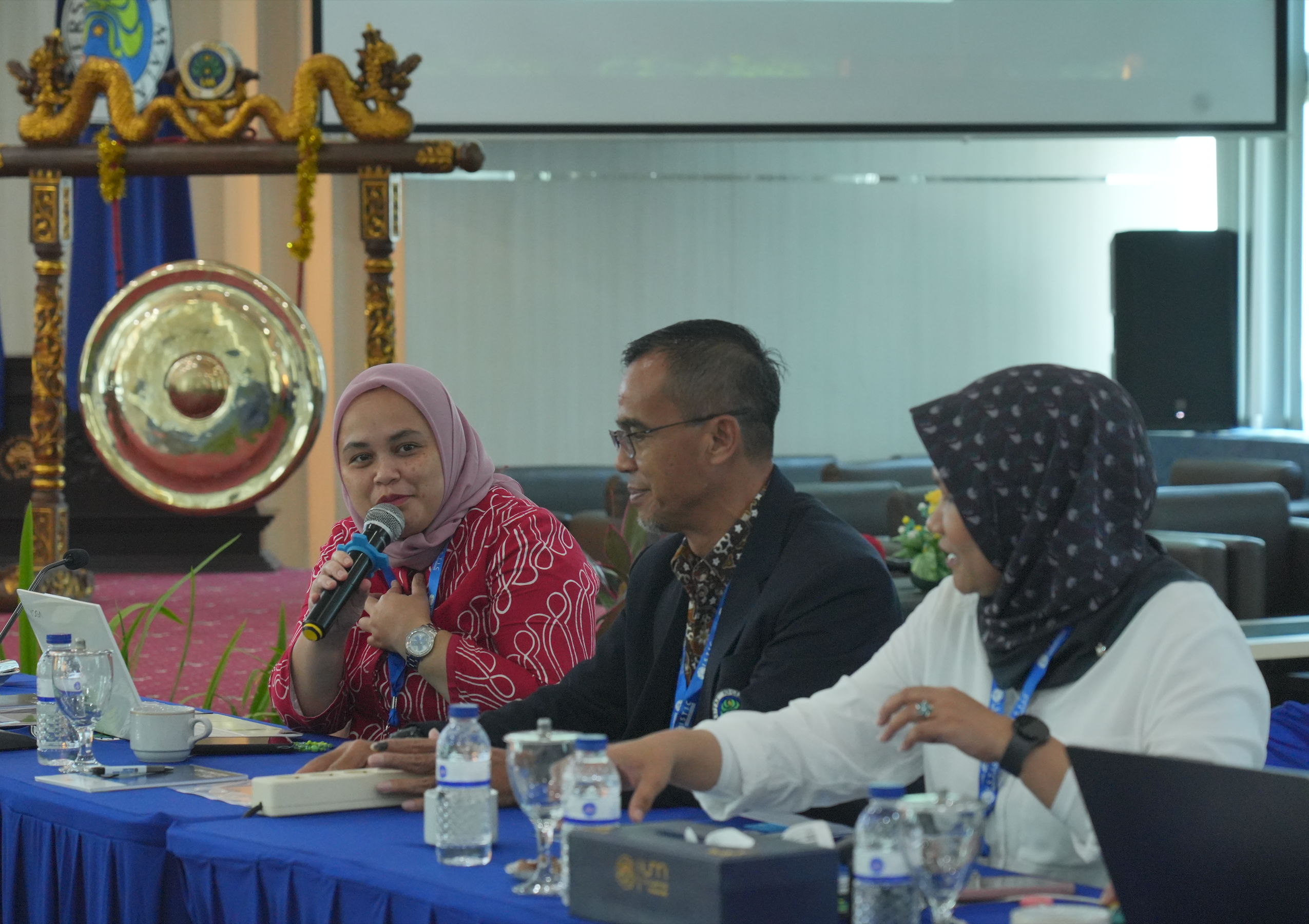
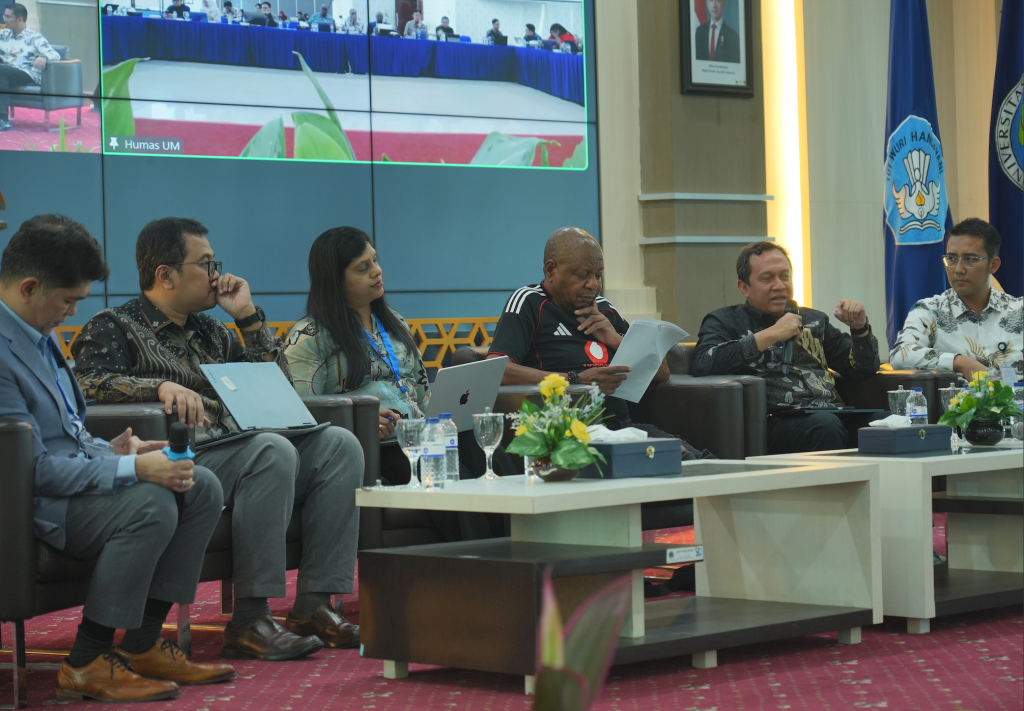
Structured in a deliberate and strategic manner, the workshop dedicated its first two days to programme validation, ensuring that all technical and institutional elements were thoroughly reviewed and agreed upon before moving to broader stakeholder engagement. Sessions focused on strategic framing, programme architecture, work packages, governance, co-funding and institutional alignment, implementation readiness and endorsement, as well as technical synthesis and refinement. This sequencing helped maintain a clear focus on confirmation and refinement without reopening fundamental design components. By establishing a formally endorsed baseline, participants were able to approach stakeholder engagement from a position of clarity, alignment, and readiness.
The final day shifted towards operationalisation, with discussions centered on how AFRASIA will be positioned within national systems and industry ecosystems. This included identifying entry points for researchers, strengthening collaboration pathways, and enhancing linkages that will support effective programme implementation.