
About ISTIC
Our Mission
A global leader in STI and the driving force for developing countries’ nation-building and socio-economic development.
Our Vision
A leading international platform offering sustainable programmes and services in producing holistic talents towards institutional excellence and and augmenting sustainable development for South-South Cooperation.
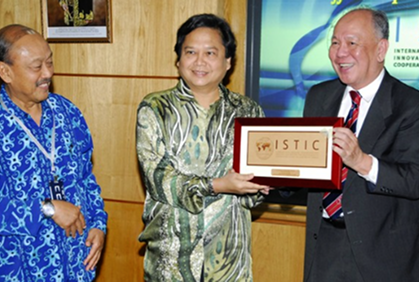
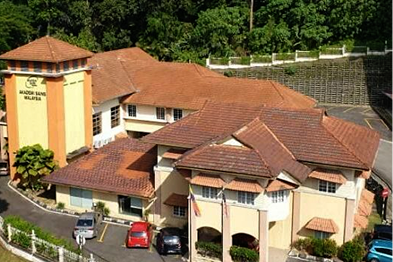
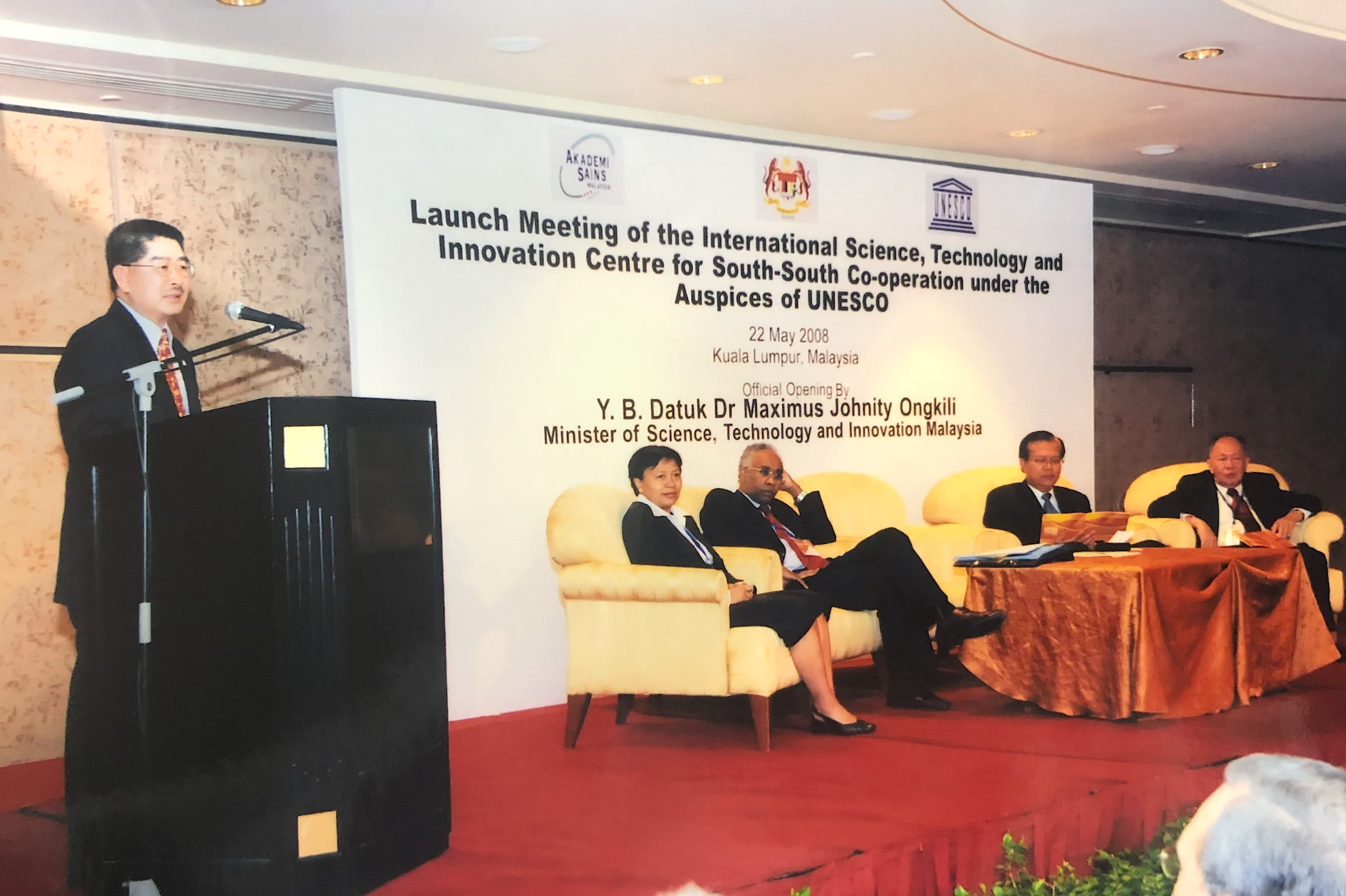
The establishment of the International Science, Technology, and Innovation Centre for South-South Cooperation under the auspices of UNESCO (ISTIC-UNESCO) marked a successful outcome of the Second South Summit of the Heads of State and Government of the Group of 77 and China in Doha, Qatar, held in June 2005.
During the Summit, UNESCO was urged to develop and implement a programme for South-South cooperation in science and technology. The objective was to facilitate the integration of a developmental approach into national science, technology, and innovation policies, to build capacity in science and technology by providing policy advice and exchanging experiences and best practices, and to create a problem-solving network of centres of excellence in developing countries. Additionally, it aimed to support the exchange of students, researchers, scientists, and technologists among developing countries.
Today, ISTIC or the International Science, Technology and Innovation Centre for South-South Cooperation under the Auspices of UNESCO is actively pursuing its overall goal of increasing the capacity for management of science, technology and innovation throughout developing countries. countries.
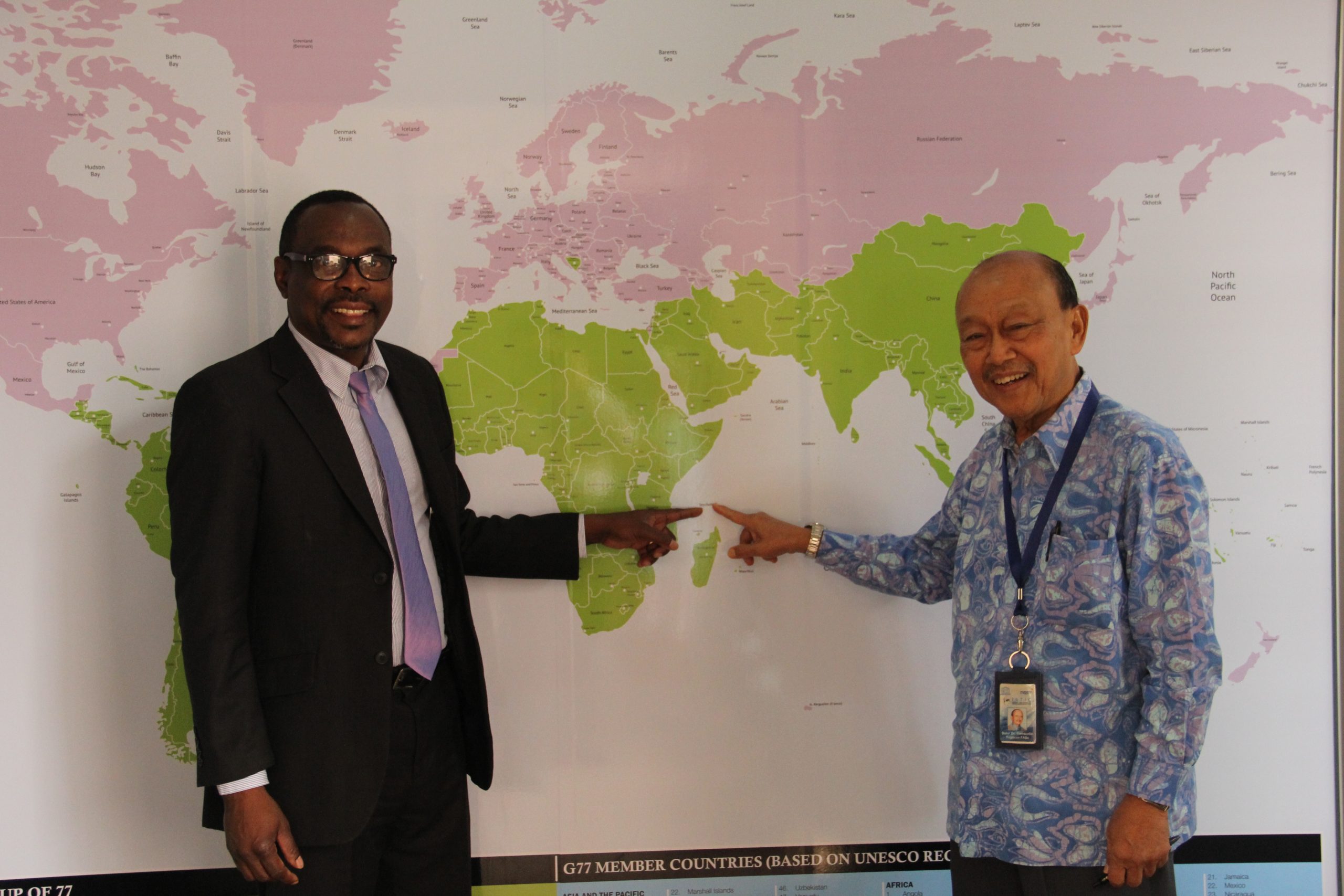
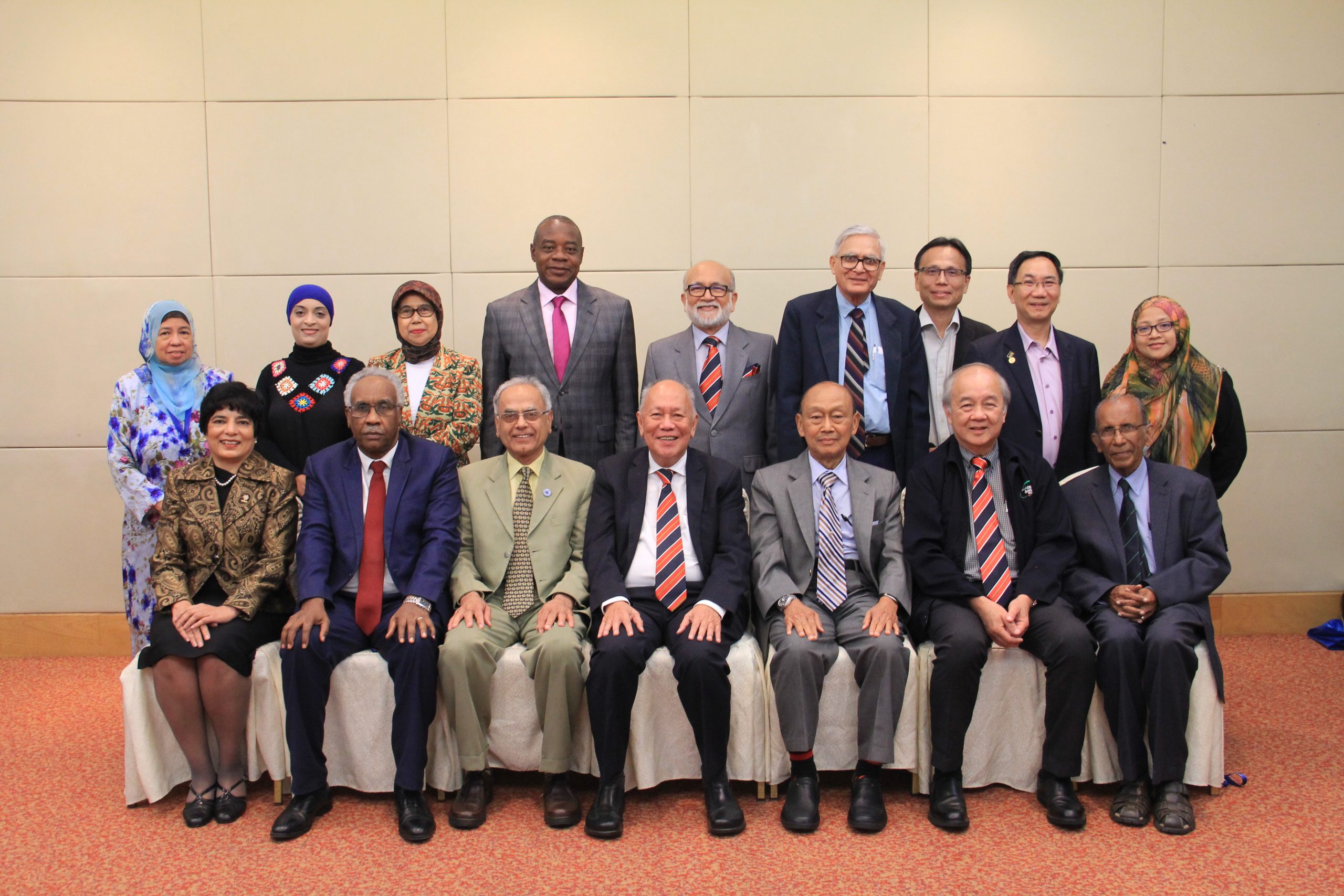
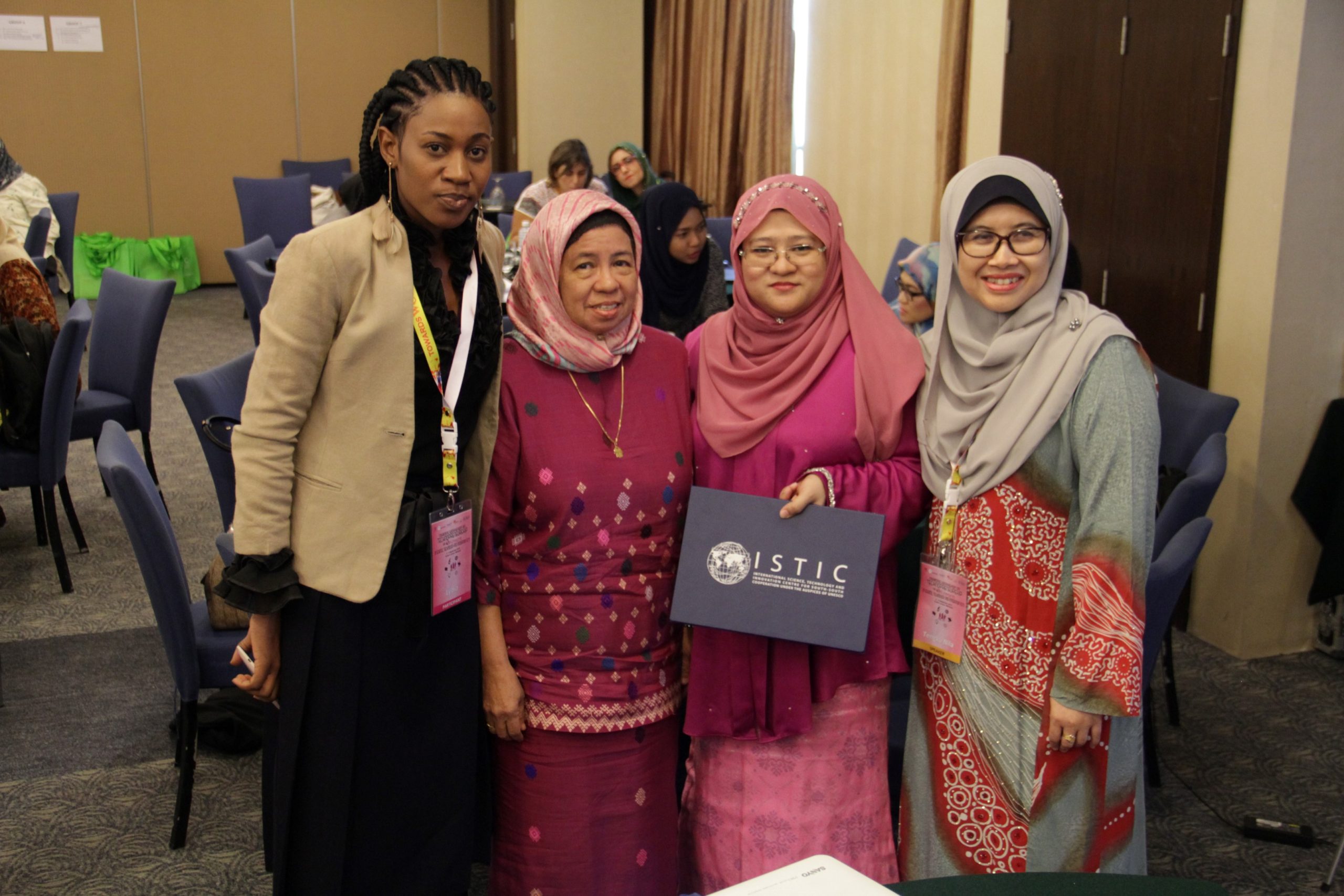
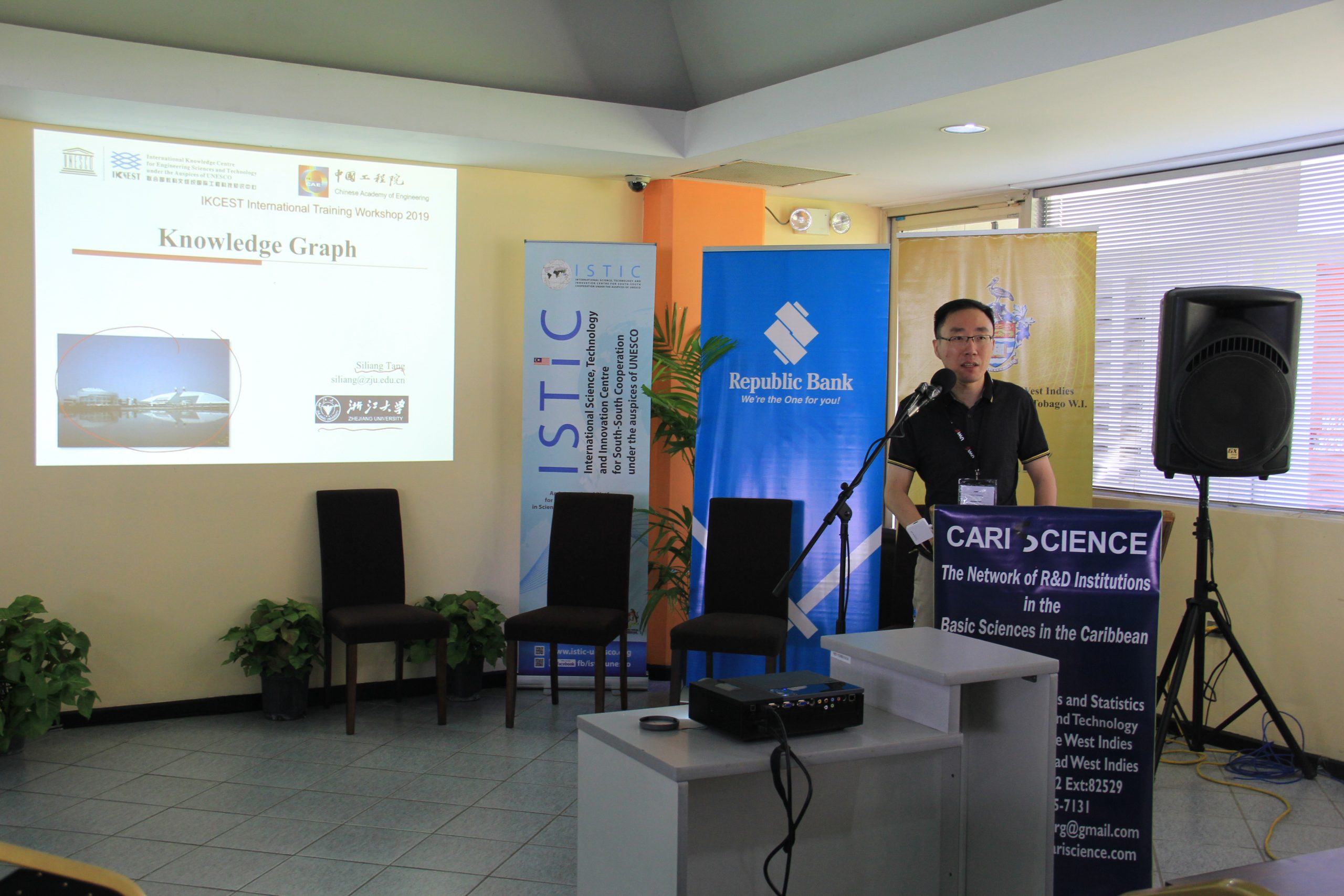
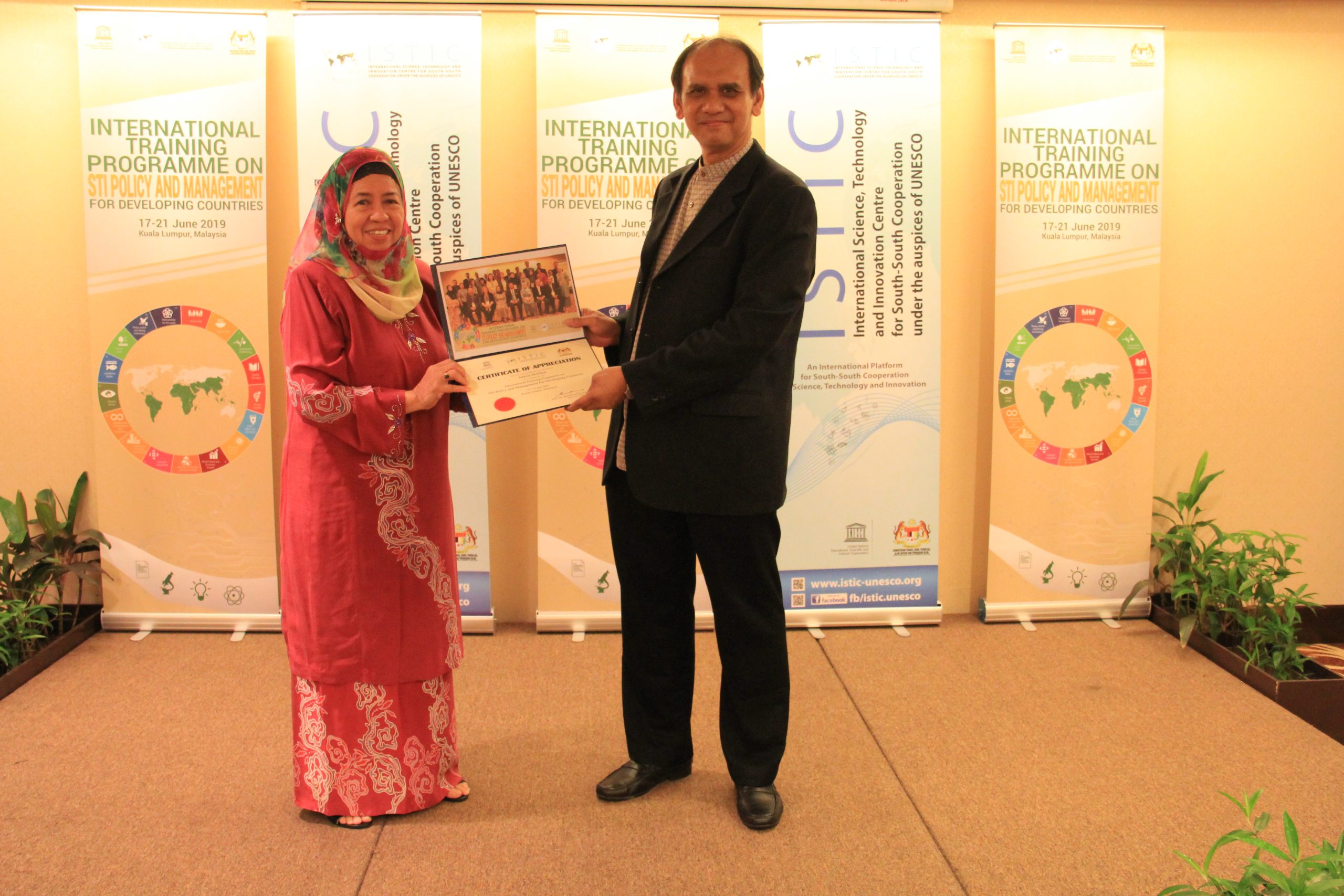
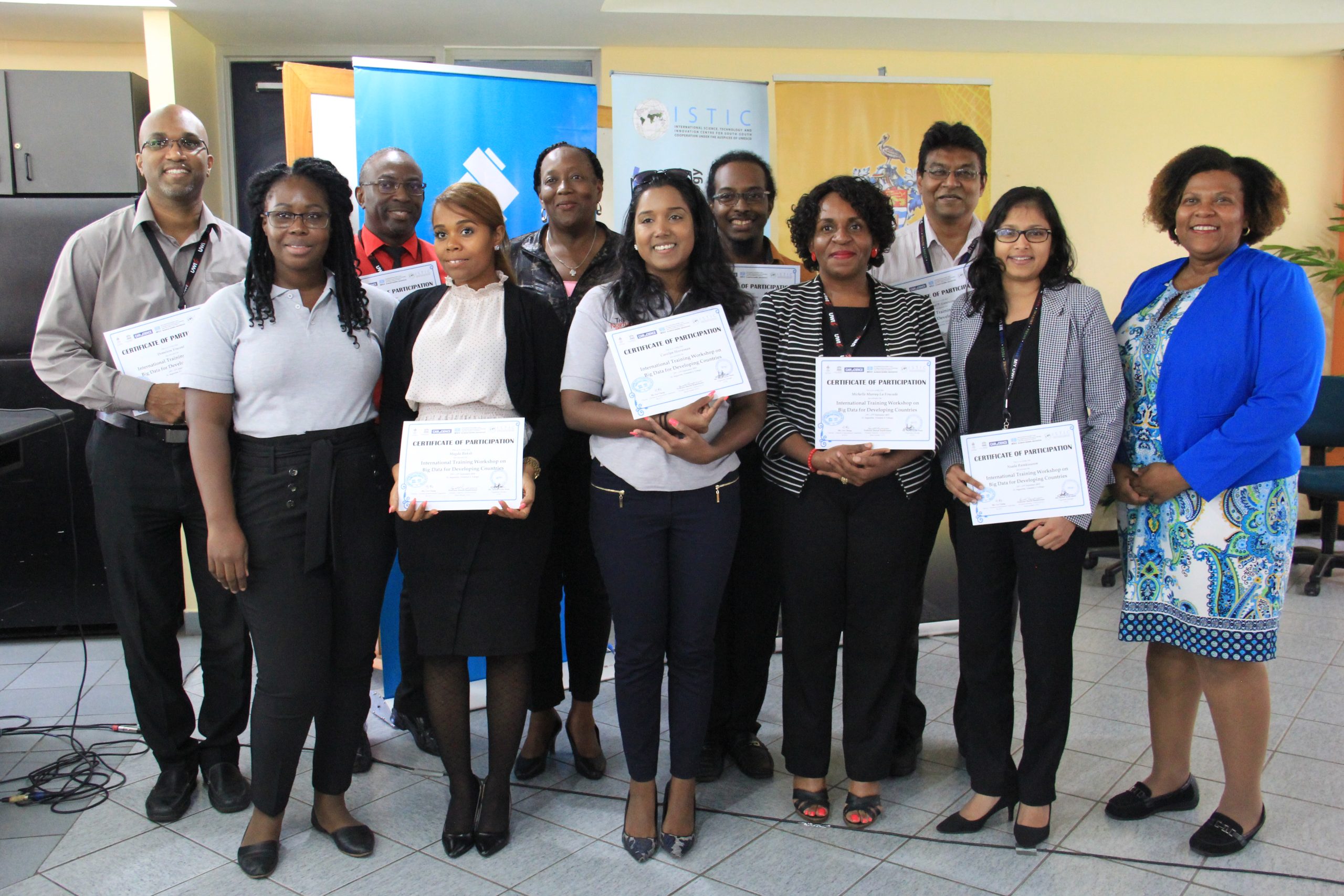
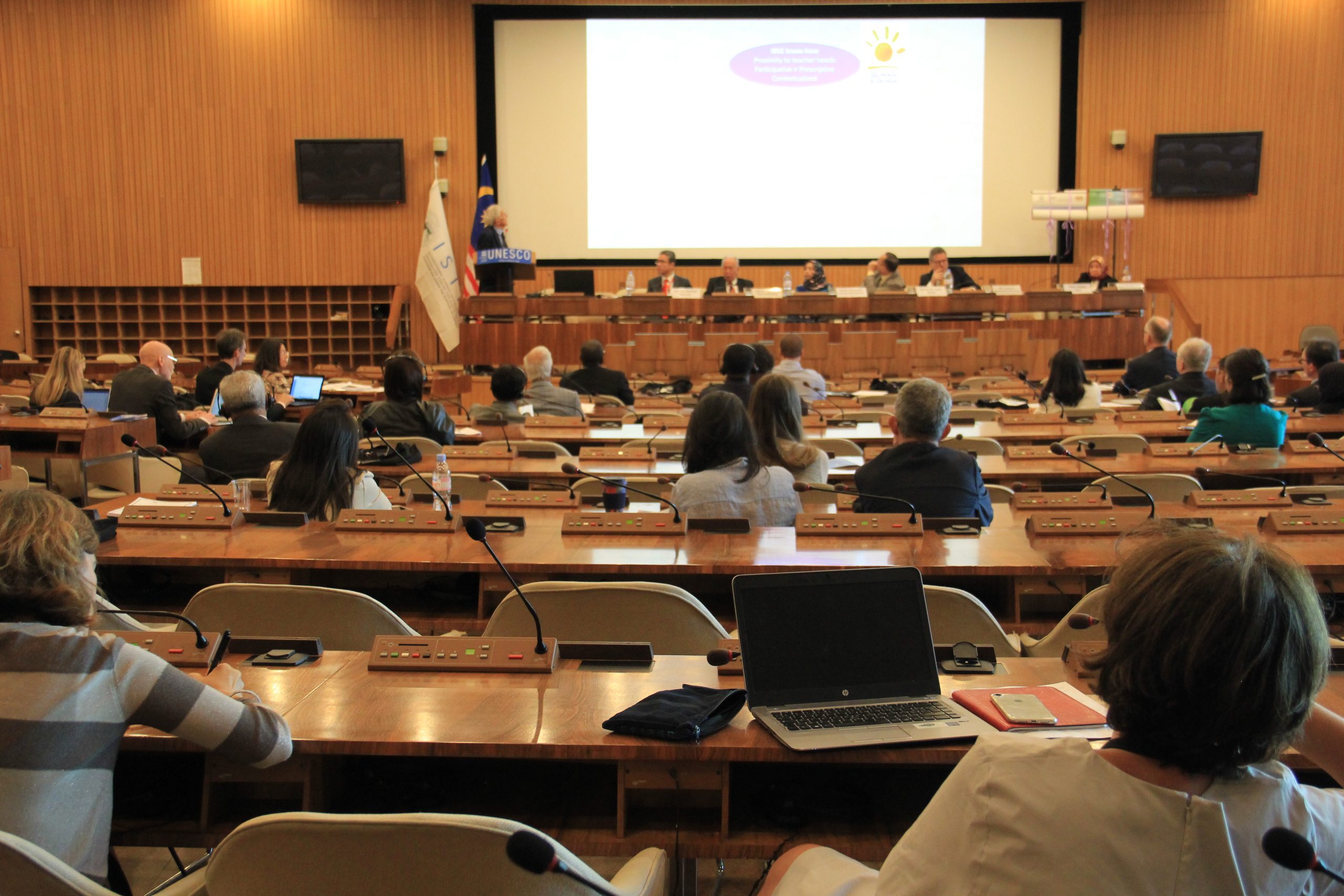
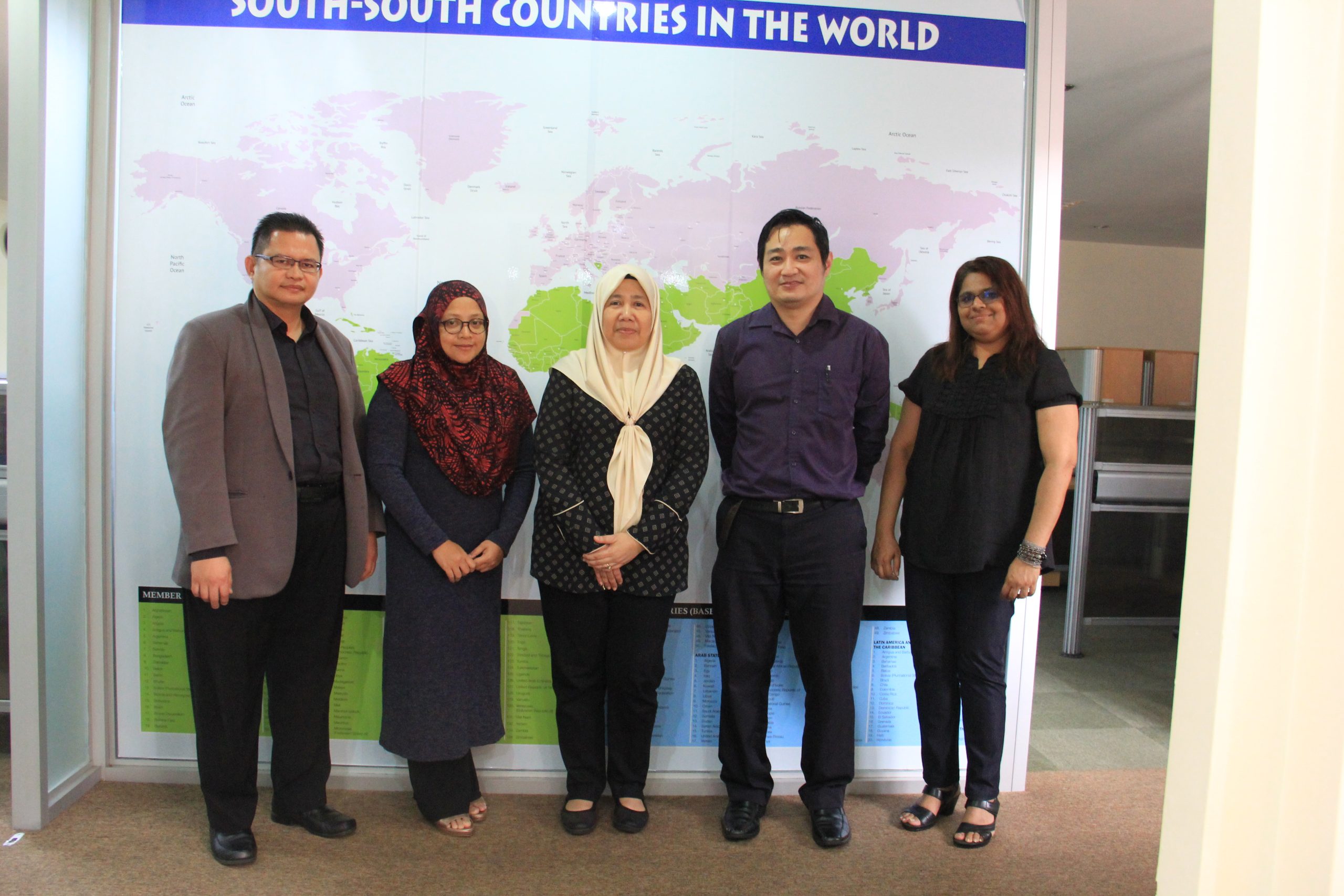
A UNESCO’s Initiative
One of UNESCO’s priority objectives is to provide capacity building in science and technology. Since the key drivers of sustainable socio-economic development in the 21st Century are science, technology and innovation, UNESCO’s action in science policy is focused on the integration of science, technology and innovation into national development policies and economic reform agendas of countries, in particular Least Developed Countries (LDCs).
However, many developing countries who have taken the initiative to use science and technology for development are facing problems. They lack capacity in science, technology and innovation management. They do not have an appropriate science and technology system, or have a fragmented system that greatly needs coordination. They need assistance. There was a glaring need for an international platform for science, technology and innovation policies in developing countries.
It is in this context that ISTIC was established, with Malaysia chosen to host a UNESCO Category 2 Centre dedicated to science, technology and innovation.
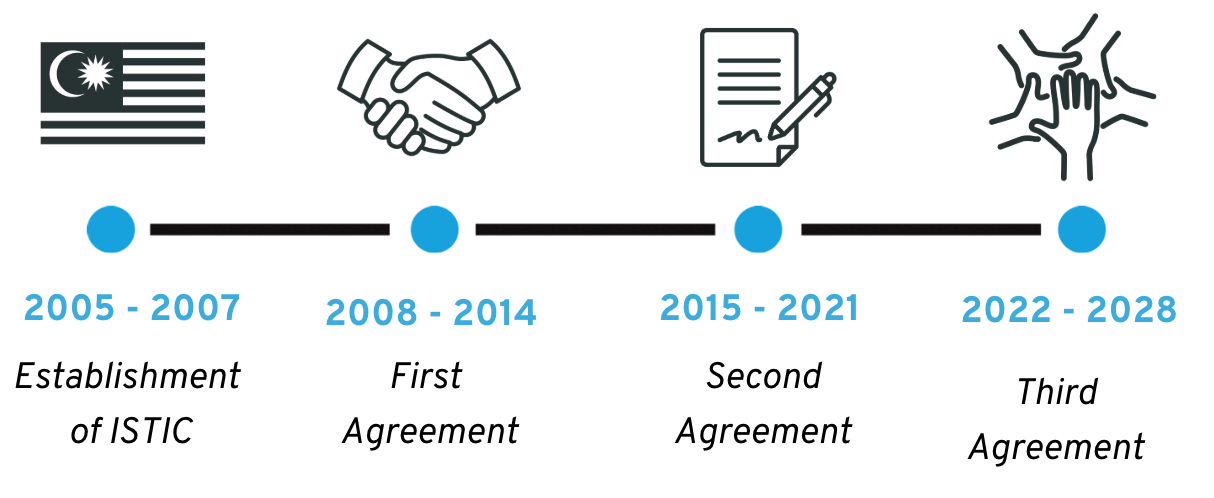
Since our establishment, we have entered into three agreements with UNESCO.
Our Objectives
1 – To establish relationships and foster cooperation between the government, academics, and industry to facilitate the transfer of knowledge between the public and private sectors, as well as to develop well-planned and relevant knowledge-based programmes and institutions in developing countries.
2 – To develop and strengthen networks and collaborative programmes for development training and research at regional and international levels, including partnerships with Centers of Excellence to generate new knowledge.
3 – To promote the interface between science, policy, and society for sustainable development and to empower the Science, Technology, and Innovation (STI) agenda for universal prosperity.
4 – To cultivate STI talent that is competent and adaptive to rapid global economic and technological changes.
5 – To facilitate the exchange and dissemination of data and information.
Our Sustainable Developmental Goals (SDGs)
At the core of our purpose is a commitment to championing the United Nations’ Sustainable Development Goals (SDGs), driving meaningful change and contributing to a more sustainable and equitable future.

MOSTI’s role
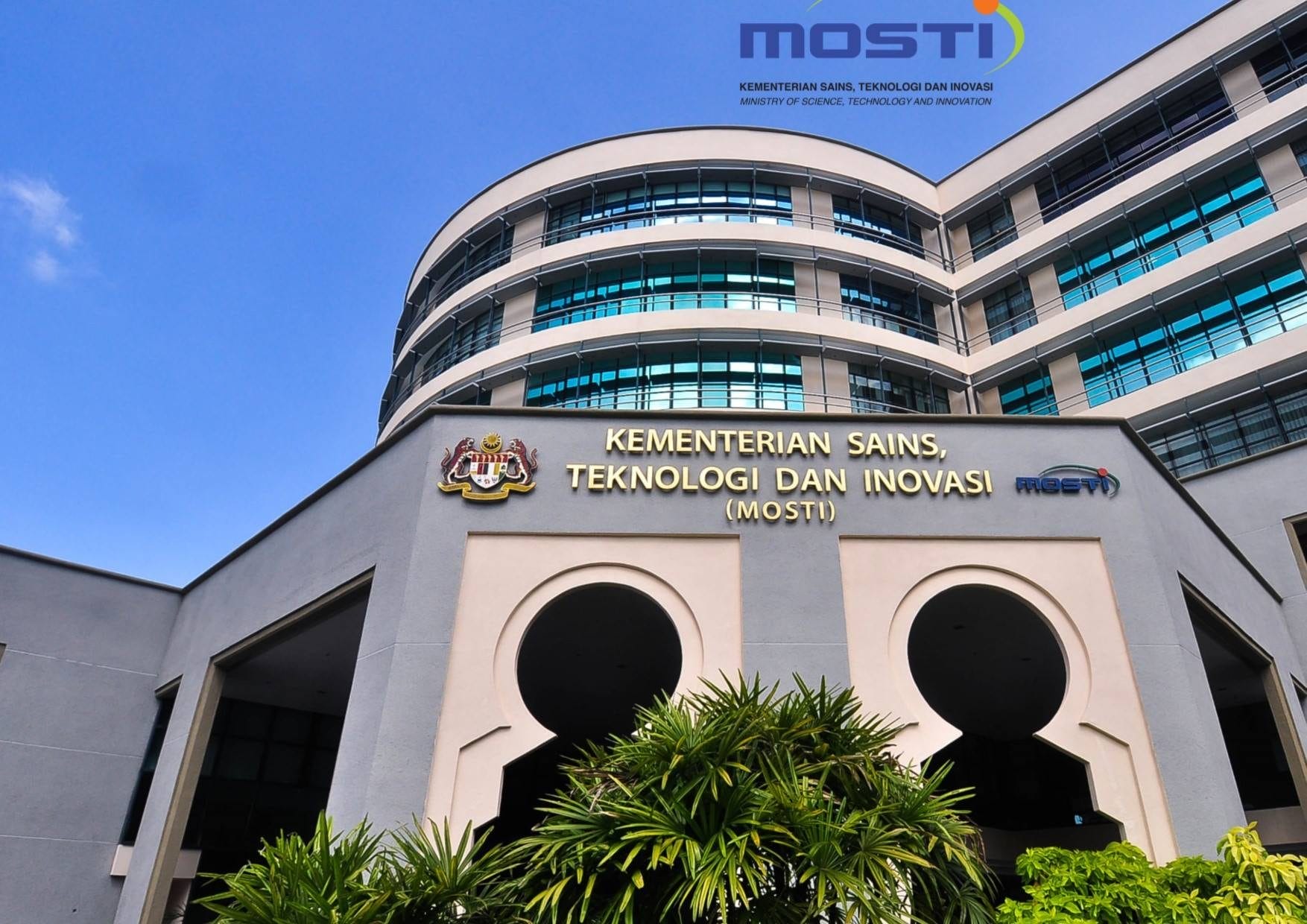
ISTIC is established as an UNESCO Category 2 Centre and Malaysia, as the host government, had assumed the responsibility for providing office space, and operating and administrative expenses for the Centre through The Ministry of Science, Technology and Innovation (MOSTI).
MOSTI took its responsibility to heart and helped realise the formation of ISTIC by having the Academy of Sciences Malaysia to host and to build an annexe to house the ISTIC office; and to provide the necessary equipment, recurring costs for staffing, consumables and other contingencies. The Malaysian Government also provides ISTIC with funds to conduct its Programmes and Activities.
MOST represents the Malaysian Government’s commitment to ISTIC towards realising the South-South Cooperation in science, technology and innovation in partnership with UNESCO. MOSTI continues to lend strong support to ISTIC to enable it to sustain its role as a key advocate for South-South Cooperation in science, technology and innovation in nation building.
Enhancing Malaysia’s Global Standing
Since its establishment, ISTIC has played an important role in strengthening Malaysia’s position as a strategic partner to developing countries in the field of Science, Technology, and Innovation (STI). Through the “prosper thy neighbour” approach, ISTIC has positioned Malaysia as a country that not only develops its domestic STI capacity but also actively contributes to capacity development among countries in the Global South.
Various capacity-building programmes, international training initiatives, expert knowledge-sharing activities, and policy dialogues organized by ISTIC have attracted participation from experts, policymakers, and institutions from various regions of the world. This approach has enhanced Malaysia’s visibility as a reference center for South–South Cooperation in the field of STI.
ISTIC’s contributions and impact have also received international recognition. Former Director-General of UNESCO, Madam Irina Bokova, once described ISTIC as “a small organization with a big footprint,” referring to its significant global impact despite operating with relatively limited resources. This recognition reflects the effectiveness of Malaysia’s role in advancing the international STI capacity-building agenda.
In addition, the confidence of the international community in ISTIC’s leadership has been demonstrated through the trust placed by the UNESCO Assistant Director-General for Natural Sciences, Dr. Lidia Brito, in ISTIC to organize a symposium for UNESCO Category Centres. This trust highlights Malaysia’s reputation as a credible implementing partner in advancing the global science agenda.