
ISTIC in Brief
The International Science, Technology and Innovation Centre (ISTIC) is a UNESCO Category 2 Centre established in 2008 through an agreement between the Government of Malaysia and UNESCO.
Based in Kuala Lumpur and funded by Malaysia’s Ministry of Science, Technology and Innovation (MOSTI), ISTIC serves as a strategic international platform for advancing South-South Cooperation in science, technology and innovation (STI).For over 15 years, ISTIC has supported UNESCO’s STI agenda and development priorities across the Global South by acting as a connector, catalyst and advocate.
Our Priority Agenda (2022-2027)

STI POLICY, ADVOCACY AND DIPLOMACY

EDUCATION FOR SUSTAINABLE DEVELOPMENT

OPEN SCIENCE

ARTIFICIAL AND DIGITAL INNOVATION

RESEARCH ECOSYSTEM

CLIMATE CHANGE
Ongoing Strategic Programmes
KISTEP-ISTIC S&T Innovation Training Programme
The KISTEP-ISTIC S&T Innovation Training Programme for High-Level Policy Makers is an annual initiative that serves as a major platform for strengthening STI policy capacities among senior officials from developing countries.
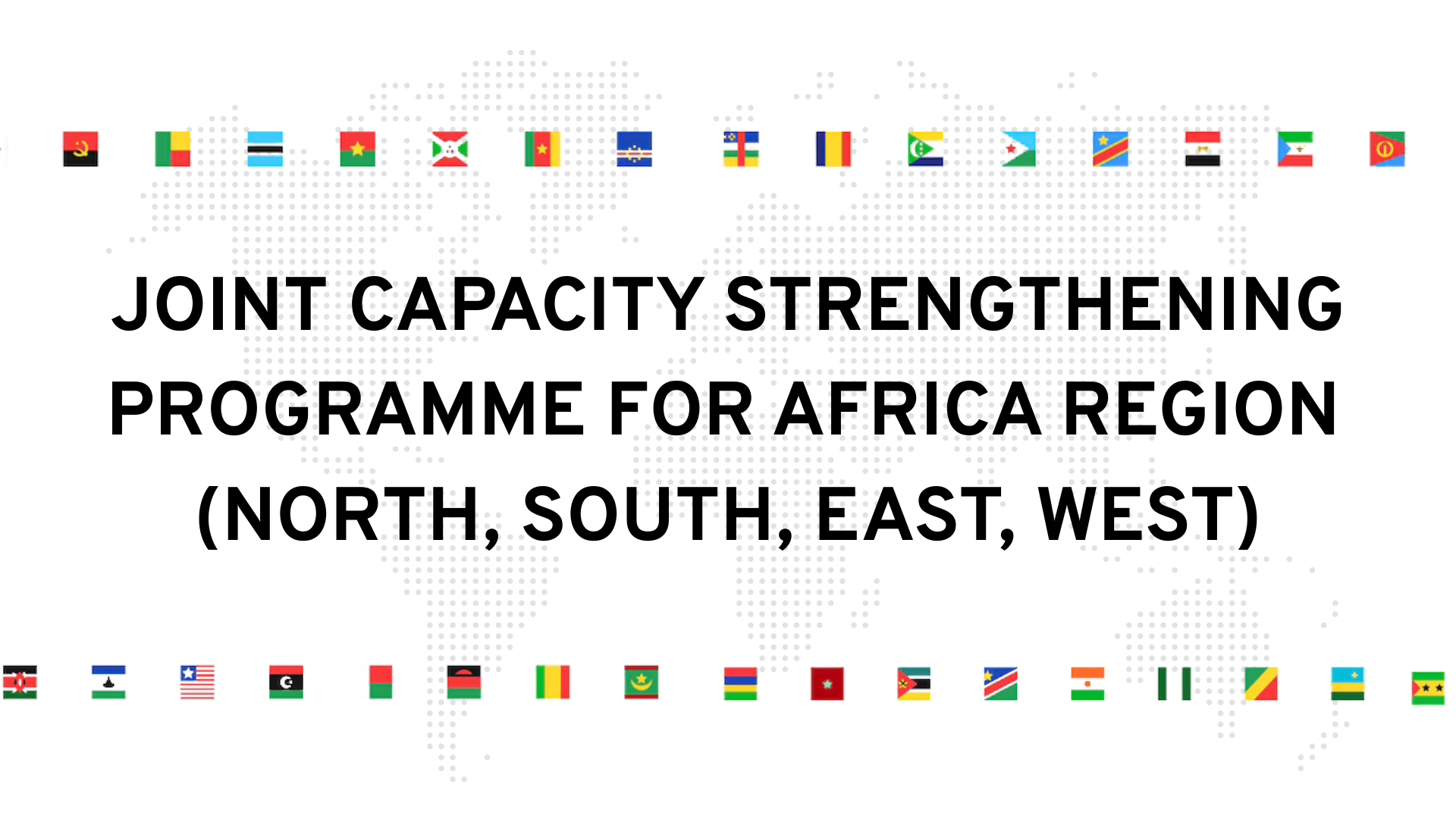
Joint Capacity Strengthening Programme for Africa Region (North, South, East, West)
The Joint Capacity Strengthening Programme for Africa Region aims to strengthen research capacity in the Global South, where limited access to funding and complex grant processes often hinder scientific contribution and innovation.
Big Data and Artificial Intelligence
The Big Data and AI Programme support policymakers, researchers, educators, and technical professionals from developing countries. The initiative focuses on practical skills development, knowledge exchange, policy awareness, and the responsible and ethical use of AI and data technologies.
AI Education
ISTIC’s AI Education programme focuses on upper primary and lower secondary students while empowering teachers to develop learners’ computational thinking, understanding of algorithms, and ethical awareness. It uses age-appropriate modules, hands-on activities, and targeted teacher training aligned with Malaysia’s educational and economic priorities.
International Conference on Women in SE2TI
The Interntational Conference on Women in Science, Technology, Engineering, and Innovation (STE2I) is an initiative aimed at advancing gender equality. It focuses on strengthening women’s participation, leadership, and representation in education, research, and innovation ecosystems.
Emerging Initiatives
AFRASIA : South-South Collaborative Research and Innovation Programme
AFRASIA is a South–South cooperation framework connecting Asia and Africa. Founded by South Africa, Malaysia, Indonesia, and Tanzania, the initiative focuses on fostering collaborative research in areas including water security, one health, and renewable energy.
GSRUA : Global South Research University Alliance
The Global South Research Universities Alliance (GSRUA) is an initiative connecting research universities across Asia, Latin America, and Africa to foster South-South collaboration, knowledge co-creation, and sustainable development.

GE4SEA : Greening Education for Southeast Asia
The Greening Education for South-East Asia (GE4SEA) Programme is a five-year initiative aimed at strengthening climate change education in primary and secondary schools across Southeast Asia.
Key Achievements
People empowEred
countries involved
STI programmes delivered
Mous signed
publications produced
UN SDGs implemented
Latest News
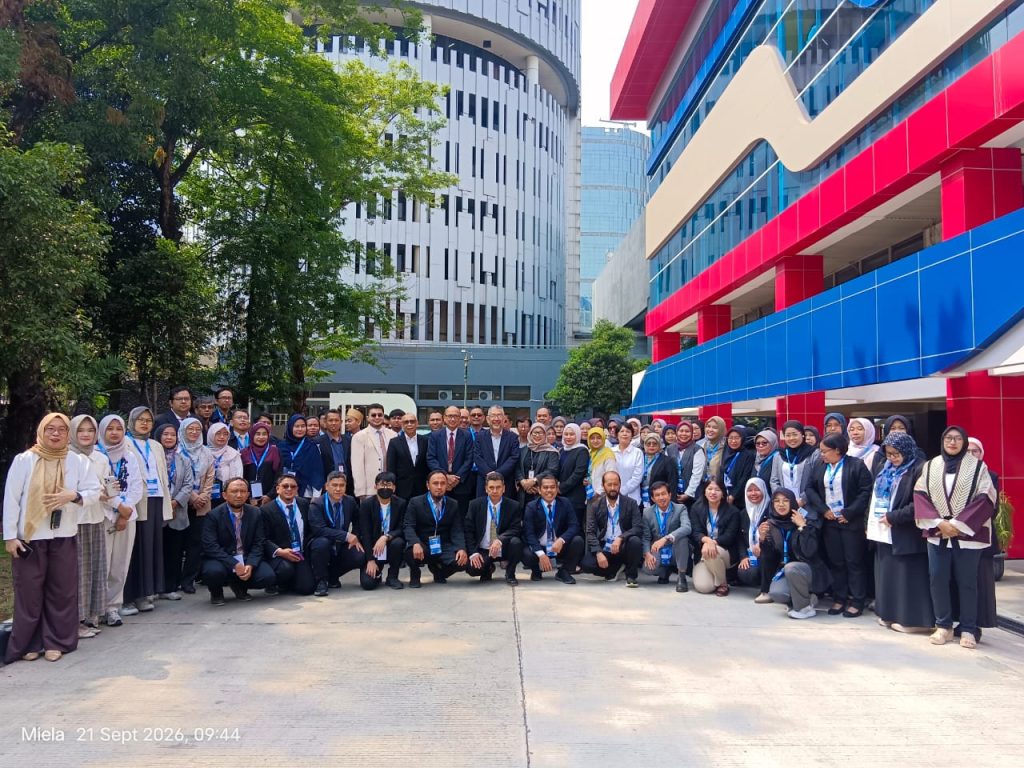
INDONESIA: Short Course on Science and Technology Diplomacy: Elevating Science, Research and Innovation for Global Collaboration 2026
ISTIC, in collaboration with Indonesia’s National Research and Innovation Agency (BRIN), organised the Short Course on Science and Technology Diplomacy: Elevating Science, Research and Innovation for Global Collaboration, held from[…]
Read more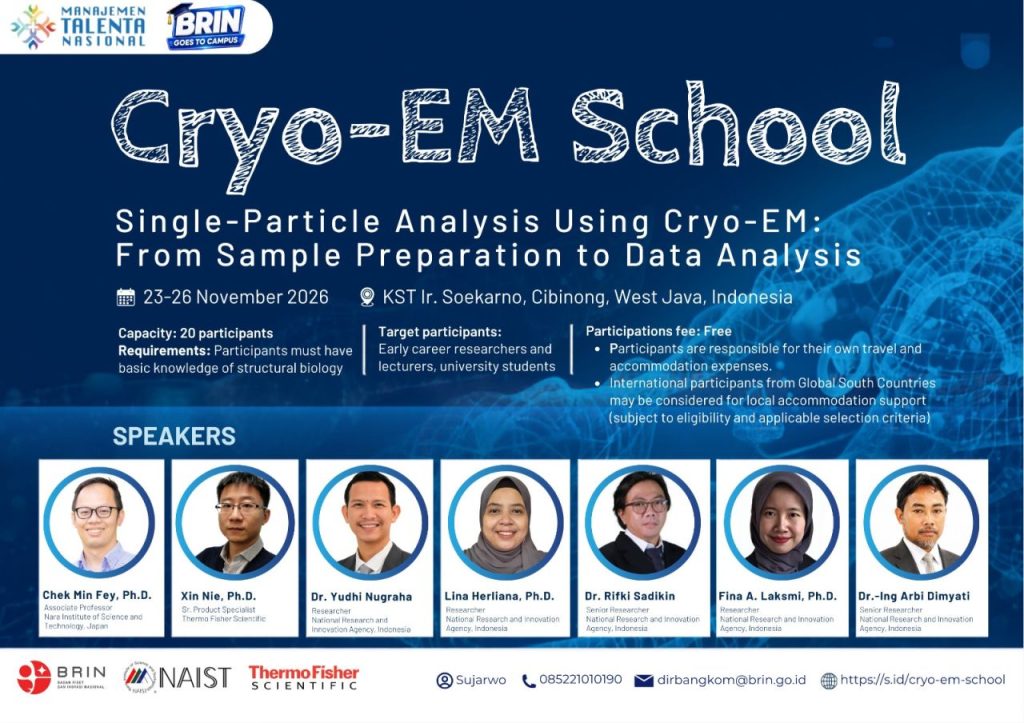
TRAINING OPPORTUNITY | Cryogenic Electron Microscopy (Cryo-EM)
ISTIC is pleased to share this upcoming training opportunity offered by the National Research and Innovation Agency of Indonesia (BRIN) for researchers, lecturers and university students working in structural biology[…]
Read more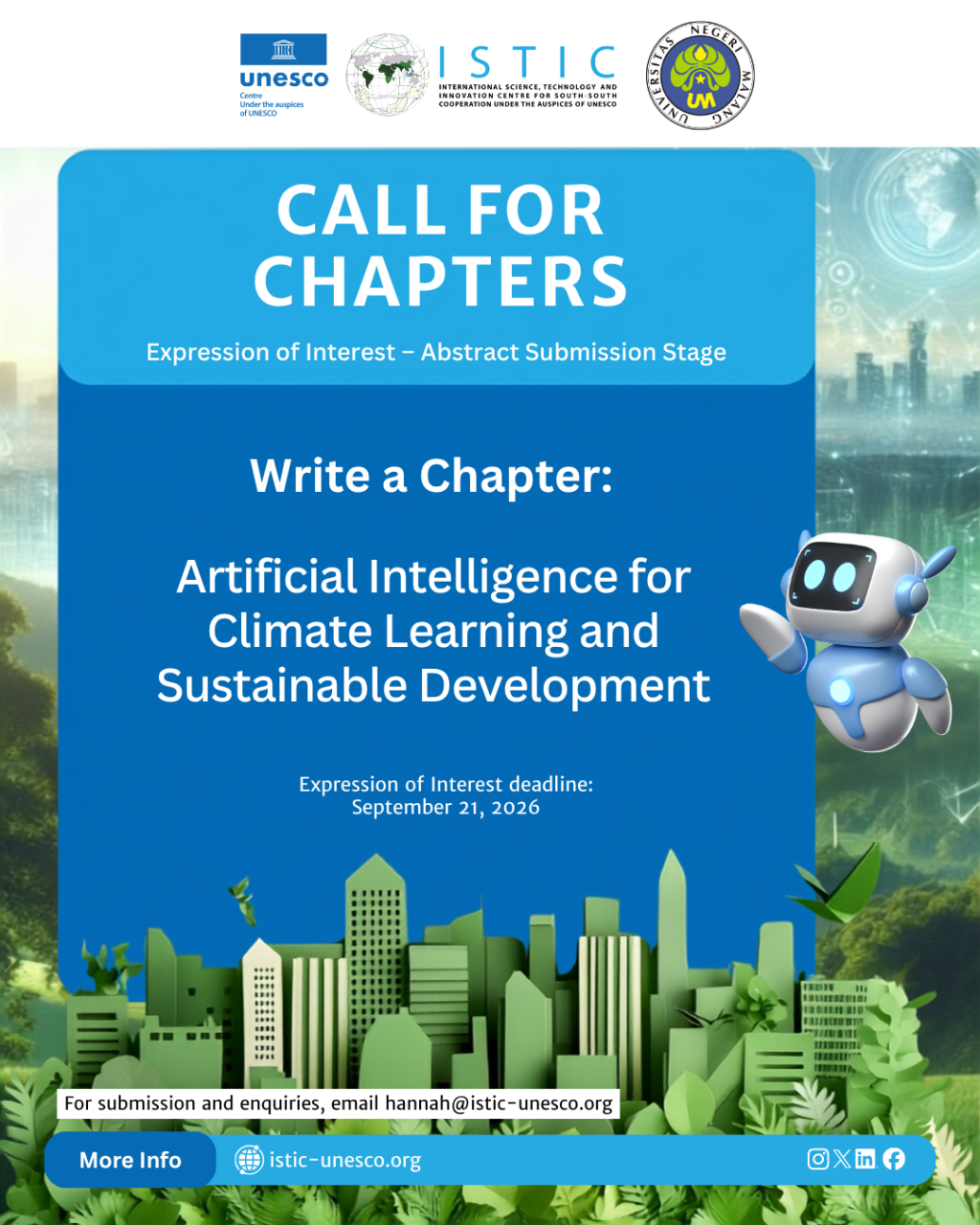
CALL FOR BOOK CHAPTERS | Artificial Intelligence for Climate Learning and Sustainable Development
The International Science, Technology and Innovation Centre for South-South Cooperation under the auspices of UNESCO (ISTIC), in collaboration with Universitas Negeri Malang, invites researchers, educators, practitioners and policymakers to contribute[…]
Read more
Social Media
istic.unesco
Official Instagram Page
International Science, Technology and Innovation Centre for South-South Cooperation under the auspices of UNESCO (ISTIC)
ISTIC Follow
International Science, Technology and Innovation Centre for South-South Cooperation under the auspices of UNESCO. #ISTIC #UNESCO RTs ≠ endorsements
ISTIC
@istic_unesco ·Every institution is shaped by the people who believe in its purpose.
Through #VoicesOfISTIC, we hear from those who have helped shape ISTIC’s journey, the people behind its vision, partnerships and impact.
In our third feature, Dr. Marlene Kanga.
ISTIC
@istic_unesco ·Experts, researchers and institutional representatives convened in Cape Town, South Africa, for the SD4GS Module Development Workshop, a step towards establishing a structured, practice-oriented science diplomacy capacity-development framework designed for the Global South.
4Facebook Posts
3 days ago
Photo
Share on Facebook (opens in a new tab) Share on Twitter (opens in a new tab) Share on LinkedIn (opens in a new tab) Share by Email (opens in a new tab)
1 week ago
Photo
Share on Facebook (opens in a new tab) Share on Twitter (opens in a new tab) Share on LinkedIn (opens in a new tab) Share by Email (opens in a new tab)